What Is Home Concrete and Why Is It Used?

Concrete is part of the ordinary home landscape. It supports foundations, slabs, driveways, patios, retaining walls, and basement floors. The term home concrete describes these residential applications, rather than one special concrete formula. That distinction matters. A foundation mix is designed differently from a decorative walkway.

The scale is substantial. The Global Cement and Concrete Association reports that approximately 14 billion cubic metres of concrete are produced worldwide each year. This reflects concrete’s strength, availability, fire resistance, and flexibility in residential construction. Properly designed concrete can carry heavy loads while remaining stable through daily temperature changes. The American Concrete Institute’s ACI 318 standard provides structural requirements for concrete buildings, including reinforcement, durability, and load resistance. These requirements help professionals move beyond appearance and assess long-term performance.

At a home site, details become visible quickly. A poorly compacted base may leave a driveway cracked after one winter. Insufficient curing can weaken a slab before furniture enters the room. Water may also collect beside a foundation when grading is ignored. These are practical failures, not merely technical footnotes.

Concrete is useful, but it is not automatically sustainable. The GCCA’s 2050 Net Zero Roadmap identifies cement and concrete emissions as a major industry challenge. Material quantity, transport distance, mix design, and service life all influence its environmental impact. Therefore, home concrete should be selected with professional judgment. More concrete is not always better. Local soil, drainage, climate, reinforcement, and intended use should guide every decision. Some assumptions still need testing on site.
What Is Home Concrete and Why Is It Used?

Definition and Basic Composition of Home Concrete

What Is Home Concrete and Why Is It Used?

Definition and Basic Composition of Home Concrete

Home concrete means concrete prepared for residential work, such as foundations, floors, steps, patios, and small retaining walls. It is not a separate material. Its performance depends on the same basic ingredients used in larger construction projects.

A standard mix contains cement, water, fine aggregate, coarse aggregate, and sometimes chemical admixtures. Cement reacts with water and forms the binding paste. Sand fills smaller gaps, while gravel provides bulk and improves structural strength. Too much water makes placement easier, but it usually weakens the hardened concrete. It may also increase cracking. Less water is not always better either. Poor workability can leave hidden voids.

The Global Cement and Concrete Association reports that about 14 billion cubic metres of concrete are used worldwide each year. That scale explains its importance in housing, but volume alone does not guarantee quality. The International Energy Agency estimates that cement production creates roughly 7% of global energy-related and process CO2 emissions. Residential users should therefore avoid unnecessary overdesign and waste.

On small home projects, curing often receives less attention than mixing. That is a mistake. Keeping fresh concrete moist and protected for several days helps cement hydration continue. A smooth surface can still hide weak internal areas. Mix proportions should follow the intended strength, local aggregate conditions, exposure, and professional specifications. Simple bucket measurements may work for minor repairs, but they are not a reliable substitute for tested design.

Sources: GCCA, Concrete Future; IEA, Cement.

Main Types of Concrete Used in Residential Construction

What Is Home Concrete and Why Is It Used?

Concrete supports many residential structures, from footings and foundations to floors, steps, and driveways. It combines cement, water, sand, and coarse aggregate. After curing, it forms a strong, fire-resistant mass that handles compression well. However, concrete is not automatically perfect. Poor mixing, weak soil, or rushed curing can create cracks and uneven surfaces.

Ready-mix concrete is produced at a batching plant and delivered by truck. It offers consistent proportions and suits foundations, slabs, and large pours. Site-mixed concrete is blended near the home using measured materials. It can work for small repairs, posts, or limited projects, but accuracy depends heavily on workers and equipment. A small mistake matters.

Precast concrete is cast in a controlled facility before installation. Steps, wall panels, drainage components, and certain beams may use this method. Factory production can improve consistency and reduce site time. Lightweight concrete contains less dense aggregate, making it useful for some floors, panels, and insulation-focused designs. Reinforced concrete includes steel bars or mesh, helping resist tension and control movement in foundations and suspended slabs.

The right type depends on load, soil conditions, weather, access, and local building requirements. A contractor should check the mix specification, placement method, and curing schedule. Covering fresh concrete too early can trap moisture, while drying too quickly may weaken the surface. In practice, good concrete work is less about appearance alone and more about correct preparation beneath it.

How Home Concrete Is Mixed, Placed, and Cured

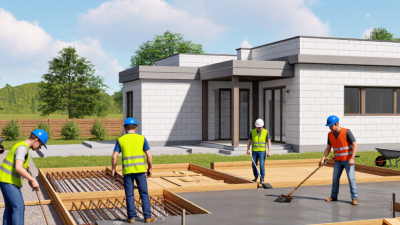
Home concrete is a cement-based mixture used for slabs, footings, steps, patios, and walkways. Its performance depends less on appearance than on controlled mixing, placement, and curing. A typical mix combines cement, water, fine aggregate, and coarse aggregate. The water-to-cement ratio matters greatly; excess water can leave weaker, more porous concrete.

Measure materials consistently, then mix until the color and texture look uniform. Do not add water casually at the jobsite. Moisture matters. ASTM C94/C94M identifies 90°F (32°C) as a common maximum concrete discharge temperature unless project specifications allow otherwise.

During placement, spread the concrete near its final position. Excessive rehandling can encourage segregation. Consolidate carefully around reinforcement and corners, but avoid over-vibration, which may push aggregate downward.

Curing begins after finishing, not the next morning. ACI 308R-16 emphasizes maintaining moisture and suitable temperature so cement can continue hydrating. ACI 301 commonly uses seven days as a curing period for ordinary concrete, although materials and weather can require more time. Covering the surface with curing sheets or using a curing compound can reduce rapid moisture loss. Keep the surface damp, but never flood it.

A small mistake here is easy to underestimate. Cold nights, hot wind, and early foot traffic can all damage a promising slab.

ASTM C31/C31M also shows why properly made field specimens matter: strength testing is only useful when sampling and curing reflect actual placement conditions.

Common Residential Uses for Concrete

Home concrete means cement-based material placed around a house for structural and practical purposes. It supports walls, creates walkable surfaces, and helps control water movement. The Global Cement and Concrete Association reports that people use about 14 billion cubic meters of concrete worldwide each year. Residential construction represents only part of that volume, yet its role is highly visible.

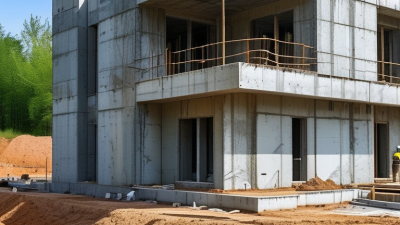
Foundations are one of the most common residential uses. A poured concrete footing spreads wall loads into the soil, while foundation walls resist earth pressure. Concrete slabs also support garages, basements, utility rooms, and ground-level living areas. A small mistake matters here. Poor soil preparation can cause cracking, even when the concrete mix meets specifications.

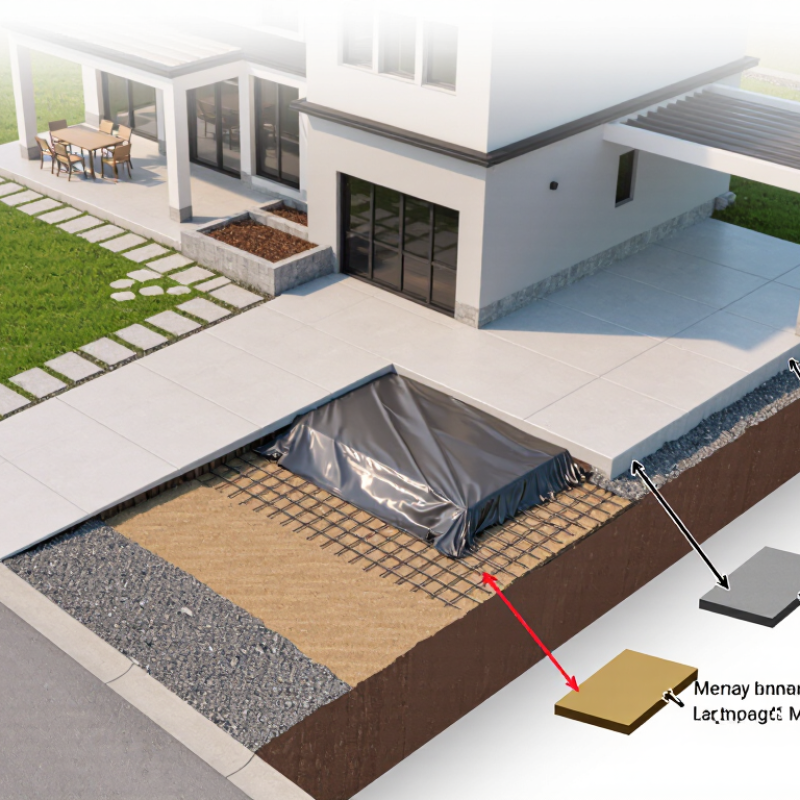
Outside the house, concrete forms driveways, walkways, patios, steps, retaining walls, and drainage channels. A typical cubic meter weighs about 2.4 tonnes, according to technical data published by The Concrete Centre, so base preparation and access planning require care. A patio may look level but still send rain toward a doorway. Contractors usually create a gentle slope, place compacted aggregate below the slab, and add control joints to manage shrinkage cracks. These joints do not prevent every crack. They guide it.

The U.S. Environmental Protection Agency has reported that concrete makes up a major share of construction and demolition debris, with substantial quantities recovered for aggregate. Reusing crushed concrete can reduce landfill demand, but local quality standards still matter. Concrete is durable, not maintenance-free. Sealing, drainage checks, and timely repairs can extend its useful service.

What Is Home Concrete and Why Is It Used?

Common Residential Uses for Concrete

Concrete is widely used in homes because it provides high compressive strength, durability, fire resistance, and a stable base for structural and outdoor applications. The chart shows typical specified compressive-strength levels commonly used for residential concrete work. Actual requirements vary according to local building codes, climate, soil conditions, structural loads, and project design.

Key Benefits and Limitations of Home Concrete

What Is Home Concrete and Why Is It Used?

Key Benefits and Limitations of Home Concrete

Home concrete is a mixture of cement, water, sand, and stone aggregate. It forms foundations, floors, driveways, steps, patios, and retaining walls. After placement, it hardens through hydration rather than simple drying. That distinction matters. A properly prepared slab can support heavy furniture, vehicles, and daily foot traffic for many years.

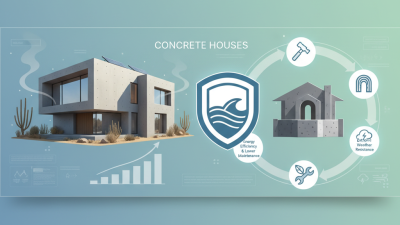
Its main benefit is strength under compression. Concrete also resists fire, moisture, insects, and ordinary outdoor wear. A smooth floor is easy to clean, while textured surfaces can improve grip near entrances. Concrete offers design flexibility, too. Contractors can adjust thickness, reinforcement, color, and surface patterns for different residential needs. In practice, careful curing often matters as much as the mix itself. Covering fresh concrete and keeping it evenly damp can reduce early moisture loss.

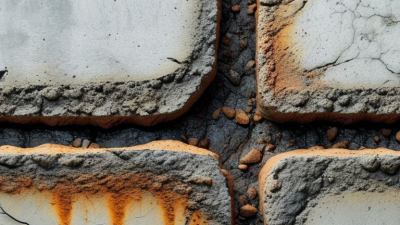
Concrete still has clear limitations. It is heavy, difficult to remove, and usually requires skilled preparation. Poor drainage may leave standing water beside a foundation. Fast drying can create hairline cracks. Larger cracks may indicate movement, weak soil, or insufficient reinforcement. Concrete also performs poorly under tension, so steel reinforcement is commonly added. Repairs can match the original surface poorly, especially after years of weathering. It is not a perfect material. I would also question using a large concrete area where permeable landscaping could manage rainwater better. Local soil, climate, load requirements, and building rules should guide the final design.

The owner of this website has made a commitment to accessibility and inclusion, please report any problems that you encounter using the contact form on this website. This site uses the WP ADA Compliance Check plugin to enhance accessibility.