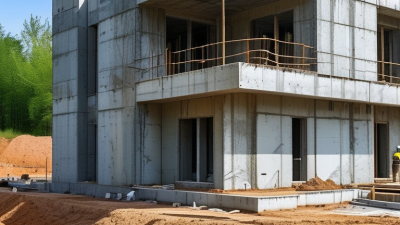
A cracked driveway can look harmless at first. Then rain enters, winter freezes it, and the opening slowly widens. Home concrete may crack because of drying shrinkage, poor drainage, weak soil, heavy loads, or inadequate joints. Not every crack means structural failure. Some still deserve prompt attention.
Concrete repair specialist Peter H. Emmons is often quoted: “Concrete does not crack because it is weak; it cracks because it is restrained.” That idea helps explain why a fresh slab can split beside a wall, corner, or tightly fixed step. The concrete wants to shrink, but surrounding materials resist its movement. Temperature changes add stress. Water makes the situation less forgiving.
This guide will examine common crack patterns and practical repair options. Hairline surface cracks may need cleaning, sealing, and better drainage. Wider cracks, uneven slabs, rust stains, or repeated movement require closer inspection. A professional may check the soil, reinforcement, slope, and moisture path before recommending repairs. Guessing can waste money.
A simple patch is not always enough. Sometimes it only hides the symptom. I have seen homeowners seal a crack, then discover that water was flowing beneath the slab. That mistake is easy to make. It is also preventable.
You will learn how to distinguish cosmetic damage from serious movement, choose suitable materials, and avoid repairs that fail after one season. Concrete work rewards patience. Small details matter. Even a careful plan can miss something, so monitor repaired areas after heavy rain, freezing weather, and unusual loads.
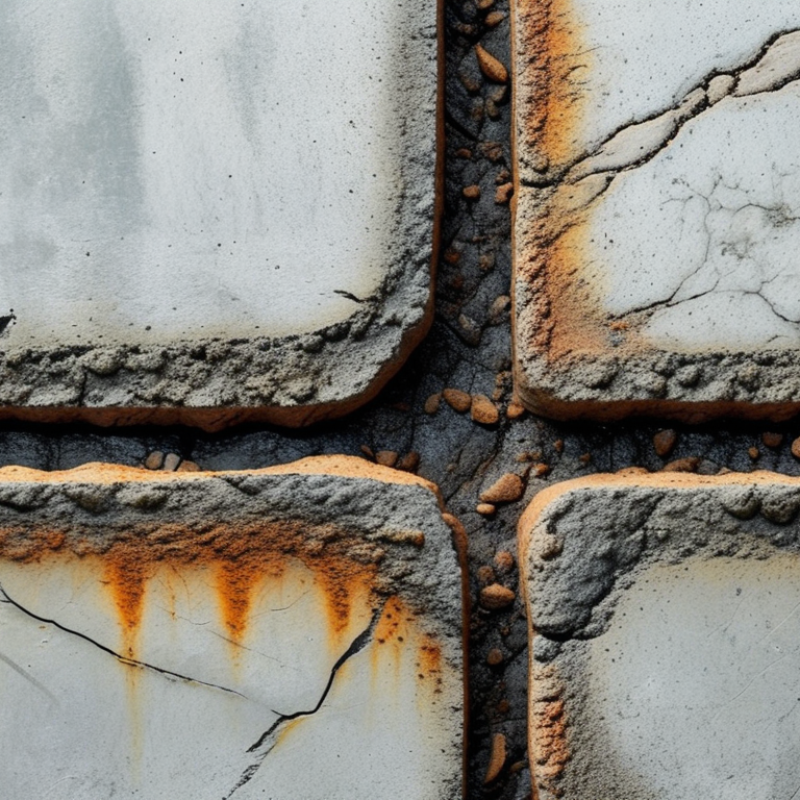
Concrete around a home can crack for several different reasons. Fresh concrete naturally shrinks as water evaporates, especially during hot, windy weather. If curing is rushed, thin surface cracks may appear within days. Poorly placed control joints can also force cracking into random areas.
Soil movement is another common cause. Expansive clay swells after rain and contracts during dry periods. Loose fill beneath a patio or walkway may settle unevenly, leaving one edge lower than the other. Downspouts can worsen this problem by releasing water beside the slab. Tree roots, winter frost, and heavy vehicles may add pressure. Cracks wider than 1/4 inch, raised edges, or doors that suddenly stick deserve careful inspection.
Tips: Clean narrow, stable cracks and fill them with a suitable flexible concrete repair material. Do not seal active cracks before finding the cause. Redirect downspouts several feet away, maintain a gentle slope from the walls, and avoid soaking the soil beside foundations. Monitor cracks with dated photographs. This simple record can reveal whether movement is continuing.
Small shrinkage cracks are often cosmetic. Larger or expanding cracks may involve drainage, settlement, or structural movement. A qualified concrete contractor or structural professional should assess uncertain cases. I have found that quick patching often hides the evidence. No inspection is perfect. Surface appearance alone cannot confirm what is happening below the slab.
A concrete crack is not automatically a structural failure. Its pattern, width, location, and movement matter more than its appearance. Hairline cracks, usually under 0.3 millimeters, often result from drying shrinkage. They may appear as fine lines across a slab or near re-entrant corners.
ACI 224R-01 reports suggested crack-width limits of about 0.4 millimeters in dry exposure and 0.15 millimeters where deicing salts are present. These values guide durability, not safety alone.
Wider diagonal cracks near door corners may indicate settlement or movement. Horizontal foundation cracks deserve faster attention, especially when walls lean or floors become uneven. Measure the opening with a crack gauge, then record it every month. A width reading alone can mislead. Active cracks may need flexible sealing, while stable surface cracks can receive a compatible repair material. Remove loose concrete first. For structural movement, consult a licensed structural professional before patching. Covering the symptom can hide the cause.
Tips: Clean the crack and photograph it with a ruler beside it. Check both sides of the wall. Look for dampness, rust staining, or displaced edges.
ACI 546R-14 stresses that repair success depends on diagnosis, surface preparation, and material compatibility. I would not treat every thin line as harmless, but I would not panic over every hairline mark either. Monitor changes before choosing a permanent repair.
Concrete cracks are common, but their behavior matters more than their appearance. ACI 209.2R-08 reports drying shrinkage commonly ranging from about 400 to 800 microstrain. Poor curing, rapid drying, and temperature changes can create early surface cracks. These are often narrow, stable, and limited to the slab surface. I once dismissed a thin garage crack because it looked harmless. That was too casual. Photos and measurements would have provided better evidence.
Immediate attention is needed when a crack keeps widening, changes direction, or shows vertical displacement. Watch for diagonal foundation cracks, displaced slab edges, exposed reinforcing steel, or water entering after rain. A crack approaching 1/8 inch, or 3 millimeters, deserves professional assessment, especially when paired with sticking doors, uneven floors, or leaning walls. ACI 224R emphasizes evaluating crack width, location, movement, and cause together. Width alone cannot confirm structural safety.
Mark both ends with a pencil and record the date. Place a ruler beside the crack for scale. Do not simply seal an active crack before finding its cause. A licensed structural engineer can inspect settlement, drainage, reinforcement, and load paths. The American Society of Civil Engineers continues to identify aging infrastructure and deferred maintenance as major cost risks. Home repairs are smaller, but the principle remains: delayed evidence becomes expensive. Surface patching may hide movement, not stop it.
Concrete cracks usually appear because the slab shrinks, settles, or faces repeated moisture changes.
Small hairline cracks are common, but widening cracks need careful attention. I have repaired many minor cracks where poor drainage caused the damage to return.
Begin by checking the crack’s width, direction, and movement. Mark both ends with a pencil and photograph them. Clean loose dust with a stiff brush, then remove weak edges with a chisel. Let the area dry completely.
For a narrow, stable crack, press concrete repair compound deeply into the opening. Smooth it with a trowel and slightly overfill the surface. After curing, sand rough spots lightly.
Larger cracks may need backer material, flexible sealant, or professional evaluation. Cracks across foundation walls, steps, or load-bearing areas deserve an engineer’s opinion.
Tips:
Keep water away from the slab by clearing blocked gutters and improving nearby drainage. Do not repair during freezing weather or heavy rain. Wear gloves, eye protection, and a dust mask while cleaning concrete. Check the repaired area after several weeks. If the crack returns, the patch was not the real solution. I once underestimated a narrow crack beside a downspout; the moisture source mattered more than the repair material.
Home concrete often cracks because moisture leaves the slab, the ground moves, or temperature changes create restraint. Small shrinkage cracks may be harmless, but widening cracks can signal poor drainage or settlement. The American Concrete Institute’s ACI 224R report identifies drying shrinkage, thermal movement, and structural loading as major causes. ACI 302.1R also stresses proper curing and joint planning. Repairing the surface alone is not enough.
Prevent cracks from returning by correcting the cause first. Direct roof water away from the slab. Compact the base evenly before placing concrete. Keep fresh concrete moist during early curing, especially on hot, windy days. The National Ready Mixed Concrete Association recommends control joints spaced about 24 to 36 times the slab thickness, with 15 feet often treated as a practical maximum. For a 4-inch slab, that means roughly 8 to 12 feet between joints. These cuts must be deep enough and made at the right time. Late cutting can invite random cracks. Still, no method guarantees a crack-free slab; concrete naturally changes volume.