How to Use Cement at Home for DIY Projects and Renovations
In recent years, the popularity of using cement at home for DIY projects and renovations has surged. According to a report from the Home Improvement Research Institute, homeowners have increasingly turned to cement-based solutions for their various construction and decorative needs, with DIY cement-related projects accounting for over 30% of total home improvement expenditures in 2023. This rising trend reflects a broader movement towards personalization and self-sufficiency in home renovations.
Expert in home renovation and materials, Dr. Emily Carter, emphasizes the versatility of cement at home, stating, "When used correctly, cement can transform spaces in an efficient and aesthetically pleasing manner." From crafting elegant walkways to creating robust outdoor furniture, the applications of cement in home settings are both practical and creative. As more homeowners seek to invest in durable and low-maintenance materials, understanding the nuances of utilizing cement effectively becomes increasingly critical for successful DIY undertakings.
As you venture into your next home improvement project, considering the proper techniques and safety measures for working with cement at home will empower you to achieve stunning results. Embracing this robust material not only enhances the integrity of your renovations but also allows for a unique expression of creativity within your living spaces.

Understanding the Basics of Cement for DIY Projects
Cement is a versatile material that is fundamental to many DIY projects and renovations. Understanding the basics of cement is crucial for anyone looking to undertake these endeavors. At its core, cement is a powdery substance that, when mixed with water, aggregates, and sand, forms a strong binding material. This mixture can be used to create durable structures, whether it’s a simple garden path, a patio, or even foundation work. The key to success lies in grasping the correct mixing ratios, as well as the setting and curing processes that dictate the final strength of the cement.
When working with cement, it is essential to understand the different types available. While portland cement is the most common choice for general-purpose use, there are specialized formulations designed for specific applications, such as quick-setting or high-strength cement. Each type has unique properties that cater to different project needs. Additionally, safety precautions, such as wearing gloves and a mask, are vital during mixing and application to prevent inhalation of dust or skin irritation. Knowing how to properly prepare the working area and tools can significantly enhance the efficiency and outcome of your project, allowing for creative and structural possibilities in your home renovations.
Choosing the Right Type of Cement for Home Renovations
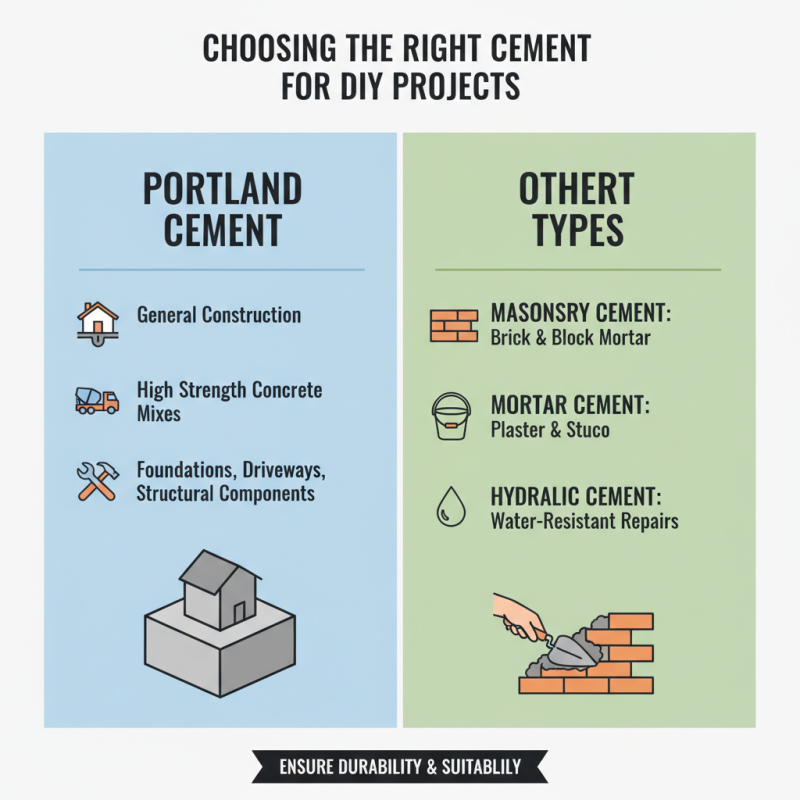
When embarking on home renovations or DIY projects, selecting the right type of cement is crucial to ensure durability and suitability for your specific needs. There are various types of cement available, each tailored for different applications. For example, Portland cement is commonly used for general construction projects due to its strength and versatility. It is ideal for making concrete mixes and is the go-to choice for foundations, driveways, and structural components.
For projects that require faster setting times, quick-setting cement can be particularly useful. This type is often chosen for repair work or outdoor projects where time is of the essence. Additionally, if you are working in environments exposed to moisture, consider using waterproof cement, which helps prevent water infiltration and damage. Lastly, if you're focusing on aesthetics, colored cement options can enhance the visual appeal of your renovated spaces, providing a unique finish that complements your design vision. By understanding the different types of cement available, you can make informed choices that will contribute to the success and longevity of your home projects.
Essential Tools and Materials for Working with Cement
When embarking on DIY projects and renovations using cement, having the right tools and materials is crucial for achieving professional results. To start, you'll need basic hand tools such as a trowel, which is essential for spreading and smoothing the cement; a wheelbarrow for mixing larger batches; and gloves to protect your hands. A bucket or mixing tray can help you prepare smaller quantities, while a level ensures your surfaces are even. For more precision, consider a measuring tape and a spade for digging or shaping your project area.
In addition to tools, various materials are necessary for cement work. Portland cement is the primary ingredient, typically mixed with sand and gravel to create concrete. You may also need reinforcing materials, such as rebar or wire mesh, to enhance the strength of your finished project. Water is another vital component, as it activates the cement and allows for proper curing. If you wish to add color or texture, look for pigments or additives designed specifically for cement applications. By gathering these essential tools and materials, you’ll be well-prepared to tackle your DIY cement projects with confidence.
DIY Projects and Renovations: Cement Use in Home Improvement
Step-by-Step Guide to Mixing and Pouring Cement
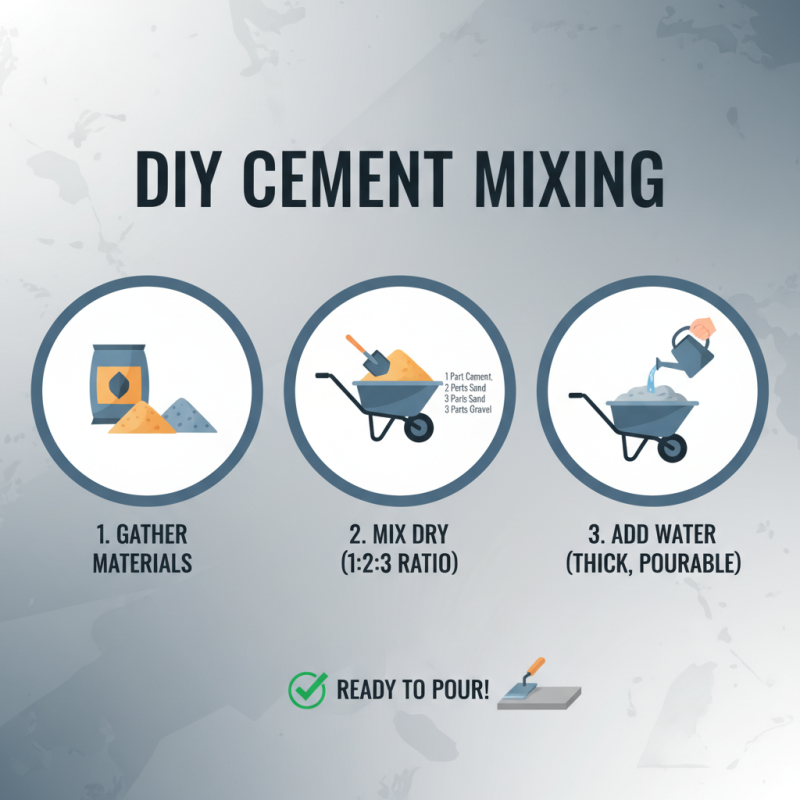
Mixing and pouring cement at home can be a rewarding experience, whether you're constructing a patio, walkway, or even a small garden feature. To begin, gather your materials: cement, sand, gravel, and water. The typical ratio for mixing concrete is one part cement, two parts sand, and three parts gravel. Start by combining the dry ingredients in a wheelbarrow or mixing container, ensuring they are evenly distributed before adding water. Slowly mix the water into the dry components until you achieve a workable consistency—think thick but pourable.
When you've mixed your cement, it's time to pour. First, prepare your area by setting up wooden forms to contain the cement and define the shape of your project. Pour the mixture into the forms, using a shovel or trowel to help distribute it evenly. For a smoother finish, use a trowel to level the top and eliminate air bubbles. To ensure the best results, it's crucial to work quickly, as cement begins to set rapidly.
Tips: Always wear protective gear, including gloves and a mask, when working with cement. Consider starting with a small project to practice your mixing and pouring techniques. Additionally, if you're working in warm weather, keep the cement covered to prevent it from drying too quickly, which can lead to cracks and a weakened structure.
Common DIY Projects Using Cement at Home
Cement is a versatile material that can be creatively utilized in various DIY projects around the home. One popular project is creating decorative garden planters. By mixing cement with water and pouring it into molds, you can design unique shapes that add character to your outdoor space. Once the planters are cured, you can paint or finish them to match your garden aesthetics.
Another common DIY project is the construction of outdoor furniture, such as benches and tables. Cement can provide sturdy and durable bases that withstand the elements. Pairing cement with wood or metal elements can create a modern, industrial look that complements any patio or backyard. Remember to ensure proper curing time for the cement to achieve maximum strength and durability.
Tips for working with cement include wearing protective gear, like gloves and masks, to minimize exposure to dust and chemicals. Also, measure your materials carefully to get the right consistency for your projects, as this can significantly affect the outcome. Don’t rush the curing process; allowing the cement to cure fully is crucial for achieving longevity in your creations.