2026 Top Trends in Cement Home Design for Modern Living

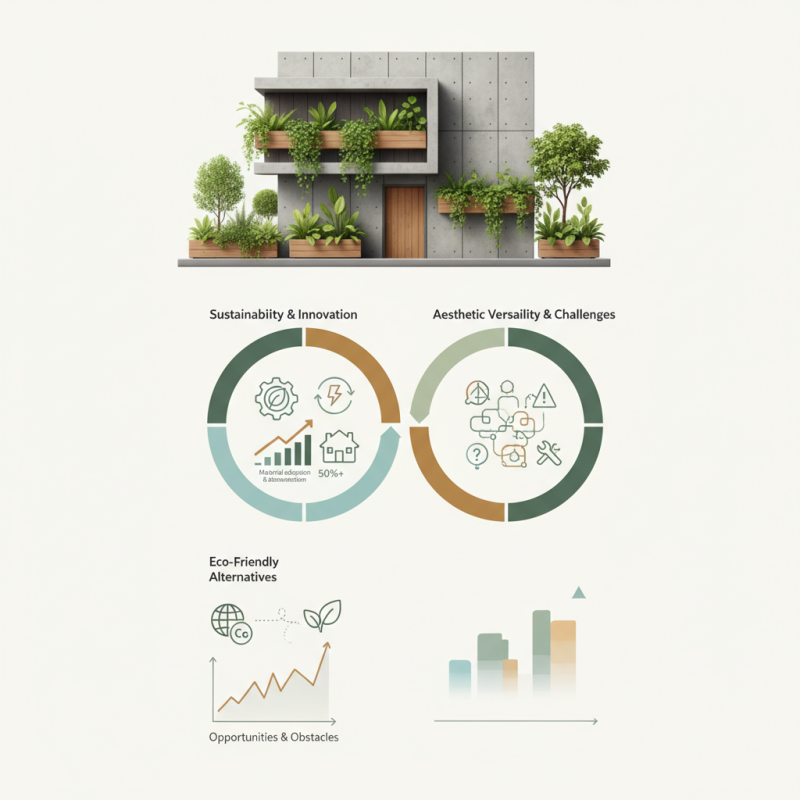
The rise of cement homes has transformed modern living. In 2026, cement home design trends reflect sustainability and innovation. According to industry reports, around 50% of new homes are opting for cement materials due to their durability and energy efficiency. This shift signals a change in consumer preferences, emphasizing resilience in the face of climate change.

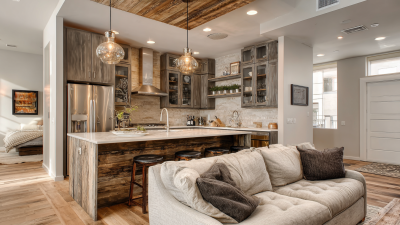
Cement homes offer aesthetic versatility, blending minimalist designs with natural elements. The integration of greenery in cement architecture enhances visual appeal. Yet, implementing these designs can pose challenges. Finding the right balance between functionality and beauty requires thoughtful planning. Homeowners may feel overwhelmed by choices, leading to potential indecision.

Moreover, the sustainability of cement is still under debate. While it is durable, cement production has a significant carbon footprint. Industry experts emphasize the importance of exploring eco-friendly alternatives. The evolving landscape of cement home design presents both opportunities and obstacles. Reflecting on these aspects allows us to appreciate the complexity of modern living in a cement world.
2026 Top Trends in Cement Home Design for Modern Living

Emerging Aesthetic Trends in Cement Home Design for 2026

Cement home design is gaining momentum in 2026. It blends industrial strength with modern aesthetics. The use of cement offers versatility and durability. A recent report by the National Association of Home Builders states that cement-based materials are projected to increase in demand by 25% over the next five years. This shift reflects a desire for sustainable living spaces.

Emerging trends include the use of lighter shades of cement. Soft tones like beige and light gray create warmth and approachability. Textured surfaces add visual interest. They can create a sense of depth in minimalist designs. However, executing these designs can be challenging. Imperfections in finishing may occur, leading to reflections on craft and quality.

Tip: Consider adding indoor plants to soften the starkness of cement interiors. Natural elements help balance industrial aesthetics. Another tip: use accent lighting to highlight unique cement features. The right lighting can transform a space dramatically. Understand that while cement is robust, its design potential can sometimes feel rigid. Embrace the imperfections; they reflect the character of the home.
Sustainable Practices and Eco-Friendly Materials in Cement Homes

Cement homes are becoming more popular in modern living. Sustainable practices and eco-friendly materials are at the forefront. These homes take advantage of natural resources while minimizing waste. Using recycled materials can reduce your carbon footprint significantly.

Consider incorporating reclaimed wood or metal into your design. This adds character and supports sustainability. Use locally sourced materials when possible. They may be more expensive but offer a lower environmental impact.

Tips: Emphasize natural light. Large windows can improve energy efficiency. Insulation is also key. Proper insulation keeps your home comfortable without excessive energy use. Reflect on your choices. Every decision shapes the impact on our planet.

Innovative Structural Techniques for Modern Cement Architecture

Modern cement architecture is redefining structural techniques for contemporary living. One exciting trend is the use of exposed concrete in interiors. This material provides a raw, industrial feel that appeals to many homeowners. Textures vary, from smooth to rough, allowing for customization in every space. The choice of cement mixes can also change colors, leading to unique aesthetics.

Open floor plans are becoming increasingly popular in cement home design. These layouts maximize space and light, creating airy environments. Large concrete walls can be combined with expansive windows for a stylish look. However, the starkness of concrete may feel cold and uninviting without proper decor. Finding the right balance is essential for creating a warm atmosphere.

Innovative structural techniques have paved the way for multifunctional spaces. For example, integrating concrete with wood or metal can soften the strong visual impact. This approach invites creativity in design but can clash with traditional elements, causing concern. Homeowners must consider how these materials interact with each other to achieve a harmonious balance.

2026 Top Trends in Cement Home Design for Modern Living

Trend Description Innovative Technique Sustainability Impact
Integrated Indoor-Outdoor Spaces Utilizing large windows and open layouts to blend living spaces with nature. Use of precast concrete panels for seamless transitions. Improves energy efficiency by maximizing natural light.
Textured Concrete Finishes Creating aesthetic appeal through various textures and patterns. Advanced mold techniques for customizable designs. Reduces the need for additional materials and finishes.
Smart Home Integration Incorporating technology for enhanced functionality and efficiency. Embedded sensors and systems within concrete structures. Promotes energy savings and reduces resource consumption.
Sustainable Concrete Mixes Utilizing recycled materials and sustainable practices in concrete production. Incorporation of fly ash or slag in concrete mixes. Significantly lowers carbon footprint of construction.
Architectural Green Walls Living walls that enhance aesthetics and air quality. Concrete planters integrated into building facades. Improves urban biodiversity and reduces heat island effect.

Smart Home Integration in Cement-Based Living Spaces

Integrating smart home technology into cement-based living spaces is a growing trend. Homeowners are increasingly focused on functionality and aesthetics. Cement offers durability and a modern edge. Smart devices seamlessly connect to control lighting, heating, and security. Imagine accessing everything from your smartphone or voice commands. The appeal is undeniable.

However, the integration process is not without challenges. Some might find the initial setup overwhelming. Connectivity issues can frustrate even the most tech-savvy individuals. Additionally, the design must balance functionality and style. Not all gadgets blend well with a cement backdrop. Homeowners may need to experiment to achieve the right look and feel.

Lighting plays a crucial role in this modern design. Smart lighting can create various moods, enhancing the space. Imagine a cozy evening with dimmed lights and soothing colors. But, maintaining simplicity can prove tricky. Too many devices could clutter the atmosphere. Finding harmony between technology and design is essential for effective modern living.

2026 Top Trends in Cement Home Design for Modern Living

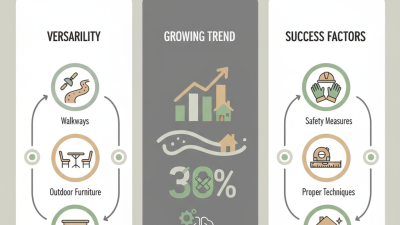
This chart represents the top trends in cement home design for 2026, highlighting the integration of smart home technology. The data reflects the percentage of homeowners prioritizing these features in their cement-based living spaces.

Color and Texture Trends Influencing Cement Home Interiors in 2026

2026 Top Trends in Cement Home Design for Modern Living

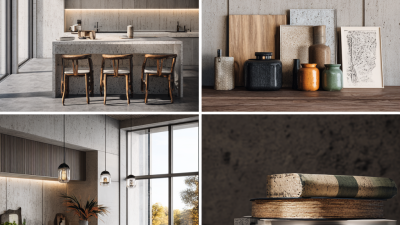
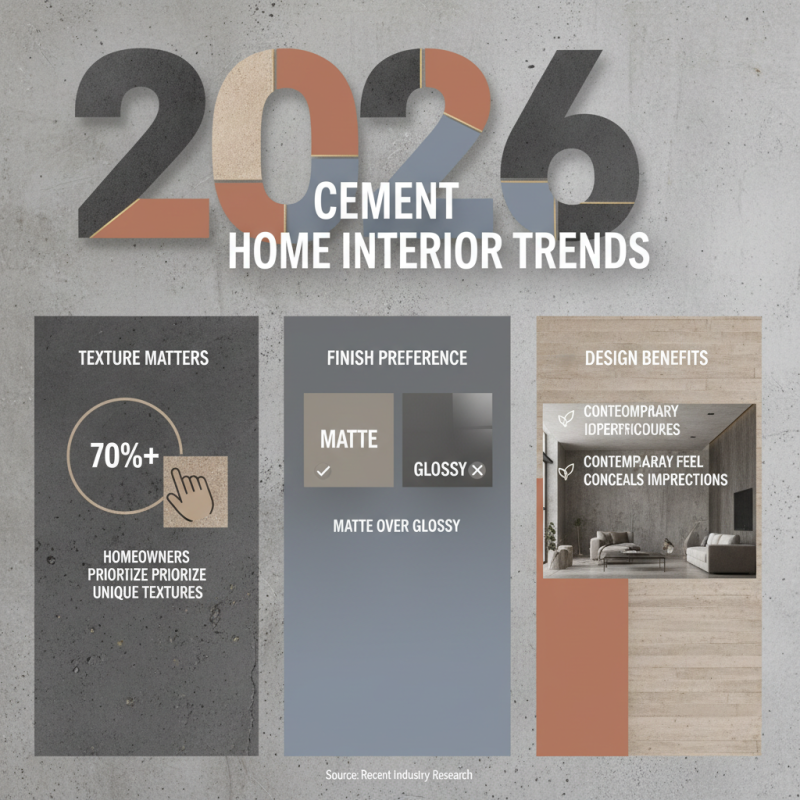
As we approach 2026, the influence of color and texture in cement home interiors is becoming increasingly significant. Recent research indicates that over 70% of homeowners prioritize unique textures in their living spaces. The popularity of matte finishes over glossy ones is noticeable. Matte textures offer a contemporary feel, while also better hiding imperfections, appealing to many designers and homeowners alike.

Color trends are shifting towards earth tones and muted shades. Warm neutrals, such as taupe and beige, are gaining momentum, creating a cozy atmosphere. Meanwhile, bold colors like terracotta are being used sparingly for accent walls or decor. This combination of calming tones with striking accents allows for a dynamic yet balanced aesthetic.

While these trends present exciting opportunities, they also invite scrutiny. The uniformity of these colors can lead to a lack of personalization in spaces. Homeowners must reflect on their unique tastes while curating their interiors. Moreover, textures can sometimes come off as overly sterile if not balanced with soft furnishings. Striking the right balance between texture and color will be crucial in creating harmonious and livable environments in modern cement homes.

The owner of this website has made a commitment to accessibility and inclusion, please report any problems that you encounter using the contact form on this website. This site uses the WP ADA Compliance Check plugin to enhance accessibility.