How to Use Masonry Concrete for Durable Construction Projects?
Masonry concrete serves as a cornerstone in durable construction projects. Its strength and versatility make it a popular choice among builders. Renowned expert John Smith, a masonry concrete specialist, emphasizes, “Masonry concrete provides stability while enhancing the aesthetic appeal of structures.”
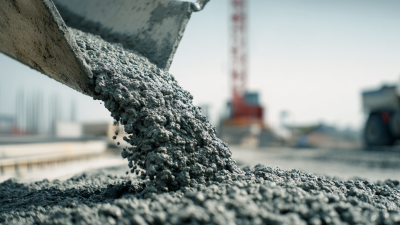
Using masonry concrete effectively requires attention to detail. Proper mixing and pouring are crucial for achieving desired durability. Mistakes in these areas can lead to cracks and structural weaknesses. The importance of high-quality materials cannot be overstated. Subpar ingredients can compromise the integrity of a building.
Moreover, the curing process is vital. Rushing this step often results in disappointing outcomes. As construction teams push for timelines, they might overlook this necessity. Understanding the subtleties of masonry concrete is key. It ensures long-lasting, resilient structures that withstand the test of time.
Understanding Masonry Concrete: Types and Properties
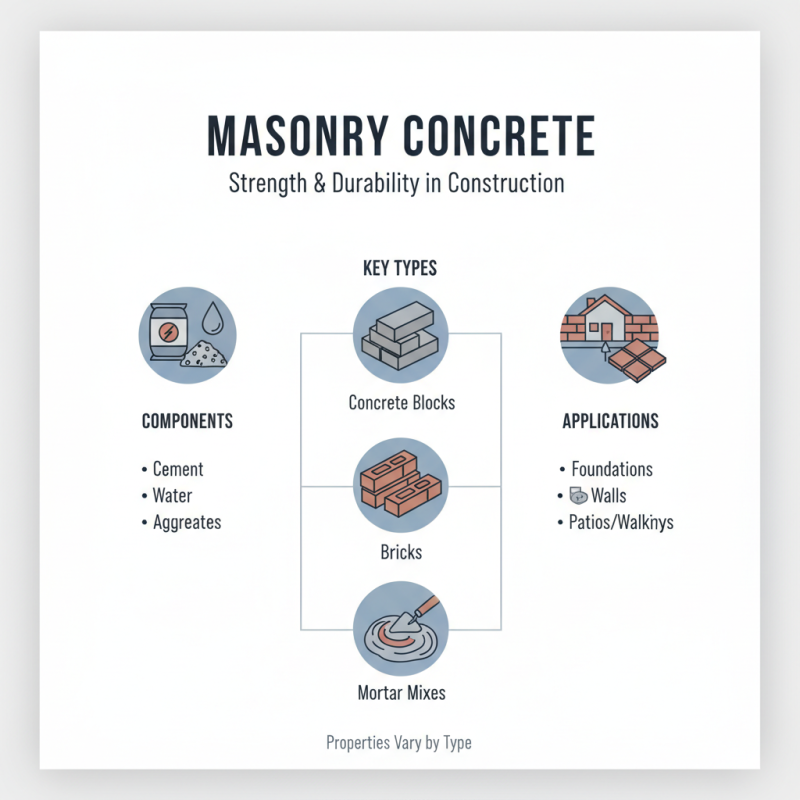
Masonry concrete is a popular choice in construction due to its strength and durability. It consists of cement, water, and aggregates. Understanding its types is essential for effective use. Common types include concrete blocks, bricks, and mortar mixtures. Each has unique properties affecting their application.
Concrete blocks, for example, provide excellent thermal insulation. They are often used for foundations and walls. Bricks, on the other hand, offer aesthetic appeal. Their varied colors and textures can enhance building design. Mortar ties the elements together, ensuring stability and strength.
Tips: Always check for local building codes. Some regions have specific requirements for masonry materials. Conduct a moisture test before installation. This ensures the longevity of your project.
The durability of masonry also depends on the mix design. A well-balanced mixture can significantly reduce cracking. Data from industry reports indicate that improperly mixed concrete leads to a 20% increase in maintenance costs. Take care with your mix to avoid unnecessary issues later on.
Benefits of Masonry Concrete in Durable Construction Projects
Masonry concrete stands out for its durability in construction. It boasts impressive compressive strength, reaching up to 8,000 psi, which is critical for load-bearing structures. This high strength makes masonry an ideal choice for buildings exposed to harsh conditions. According to industry standards, masonry can withstand extreme weather, making it reliable for long-term use.
Another significant benefit is its fire resistance. Masonry concrete can resist fires for hours, providing essential safety for occupants. The National Fire Protection Association states that properties made of masonry have lower fire insurance rates. This reduces long-term operational costs. However, not all masonry mixes perform equally. Selecting the right mix is essential to avoid weaknesses.
Masonry also exhibits sound insulation properties. Buildings constructed from this material can effectively minimize noise transmission. Studies indicate up to a 50% reduction in sound between rooms. This feature is invaluable for residential and commercial projects. Still, developers must prioritize craftsmanship. Poorly laid masonry may lead to cracks and moisture infiltration over time. Investing in skilled labor is crucial for the longevity of masonry structures.
Step-by-Step Guide to Masonry Concrete Installation Techniques
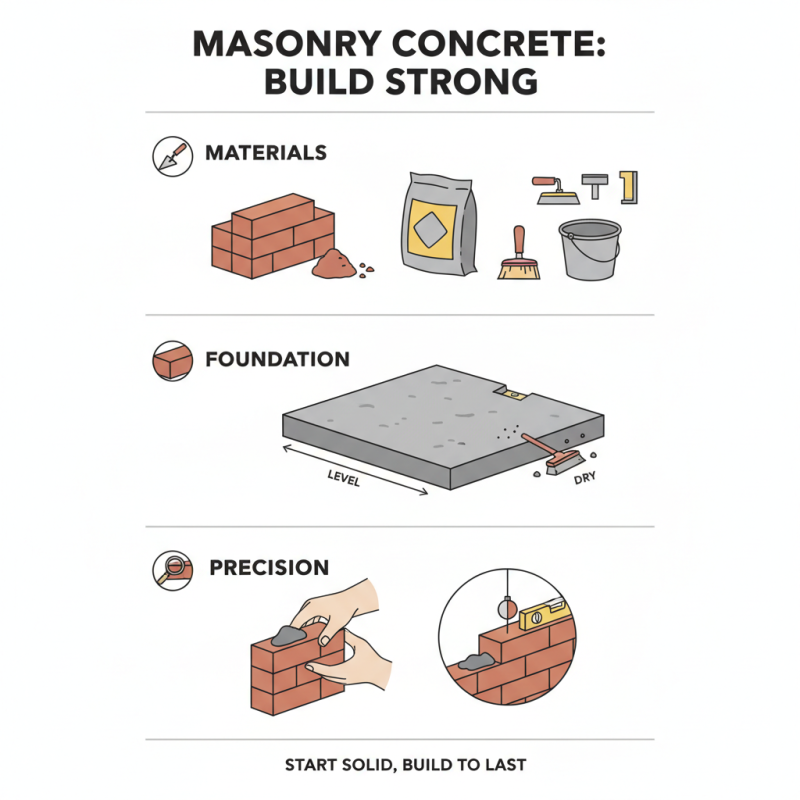
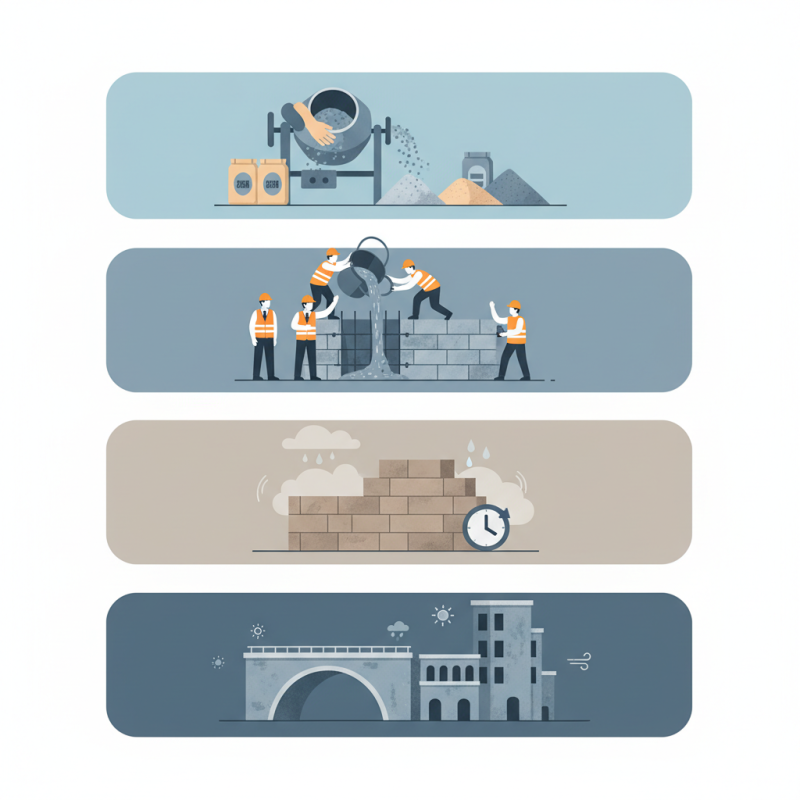
Masonry concrete is a strong choice for building projects. To start, gather all necessary materials like bricks, mortar, and tools. Ensure your foundation is solid and dry. The base should be level and free of debris. Pay attention to the small details here; a shaky start can lead to bigger issues later.
As you mix the mortar, check the consistency. It should be smooth yet thick enough to hold the bricks. When laying the first row, make sure each brick is properly aligned. Don’t rush this step; misalignment can result in an uneven wall. You might find it helpful to use a level regularly during this phase.
When applying mortar between the bricks, use a trowel. This process requires you to be precise. Once the row is complete, allow it to set before adding more layers. Remember, patience is key. Take time to observe your handiwork. If you notice flaws, address them right away. A little reflection can lead to a more durable structure in the end.
Common Challenges in Masonry Concrete Work and Solutions
Masonry concrete is a popular choice for various construction projects. However, working with it presents specific challenges. For instance, ensuring proper curing can be tricky. If not cured correctly, the concrete may crack. This issue often arises due to temperature fluctuations. Monitoring the environment is crucial during this process.
Another common problem is moisture penetration. Excess water can weaken the structure, leading to long-term damage. Using water-resistant additives can help mitigate this issue. Additionally, installing proper drainage systems often prevents moisture buildup. It's essential to prioritize these aspects.
Adverse weather conditions can also hinder masonry projects. Rain or extreme heat affects the curing process, potentially leading to structural issues. Adjusting the project timeline based on weather forecasts is wise. Planning ahead can save time and resources. These considerations illustrate that while masonry concrete is strong, it requires careful attention to detail.
Maintenance Practices for Long-lasting Masonry Structures
Maintenance of masonry structures is crucial for their longevity. Regular inspection helps identify cracks and wear. Small issues, if unchecked, can lead to bigger problems. Water infiltration poses a significant threat. It weakens the foundation and encourages mold growth.
Cleaning masonry surfaces is essential. Use a gentle wash to remove dirt. Harsh chemicals can damage the finish. Sealants can also help protect the structure from moisture. Yet, it is important to choose the right type. Not all sealants suit every application.
Consider the environment too. In areas with extreme weather, extra care is needed. Freeze-thaw cycles can harm masonry. Regularly, check for any loose bricks or mortar. Repairing them promptly saves time and money later. While masonry is durable, neglecting maintenance leads to regret.
Masonry Concrete Durability Factors and Maintenance Practices