Finding reliable China masonry concrete suppliers requires more than comparing catalog prices. The right partner must prove consistent quality, clear communication, and dependable production capacity. This matters when concrete blocks, bricks, or related masonry concrete products must meet strict project specifications.
A practical search begins with technical evidence. Request product samples, compressive-strength reports, water-absorption data, dimensional tolerances, and recent quality records. Compare each report with your project requirements. A supplier’s factory should also show organized batching areas, curing spaces, testing equipment, and protected storage. Even small details matter. Check pallet wrapping, corner protection, labeling, and loading methods before shipment.
Experience often reveals problems that brochures hide. Ask how the factory handles color variation, cracked units, rejected batches, and urgent replacement requests. Confirm production capacity using actual monthly output, not impressive claims. Discuss raw material sources, curing schedules, inspection points, and export packaging with the technical team. Independent inspections can provide another layer of confidence, especially for larger orders.
Price still matters, but the lowest quotation may create expensive delays. Calculate freight, breakage, testing, customs coordination, and possible rework. Verify business registration, factory ownership, certifications, references, and contract terms through reliable channels. I would not rely on one video call or a polished website. That approach is convenient, but incomplete. A careful buyer should request a trial order and assess communication under pressure. Suppliers may make mistakes. What matters is whether they identify them, explain the cause, and correct them transparently. This process helps construction companies choose China masonry concrete suppliers with stronger quality control and more dependable long-term performance.
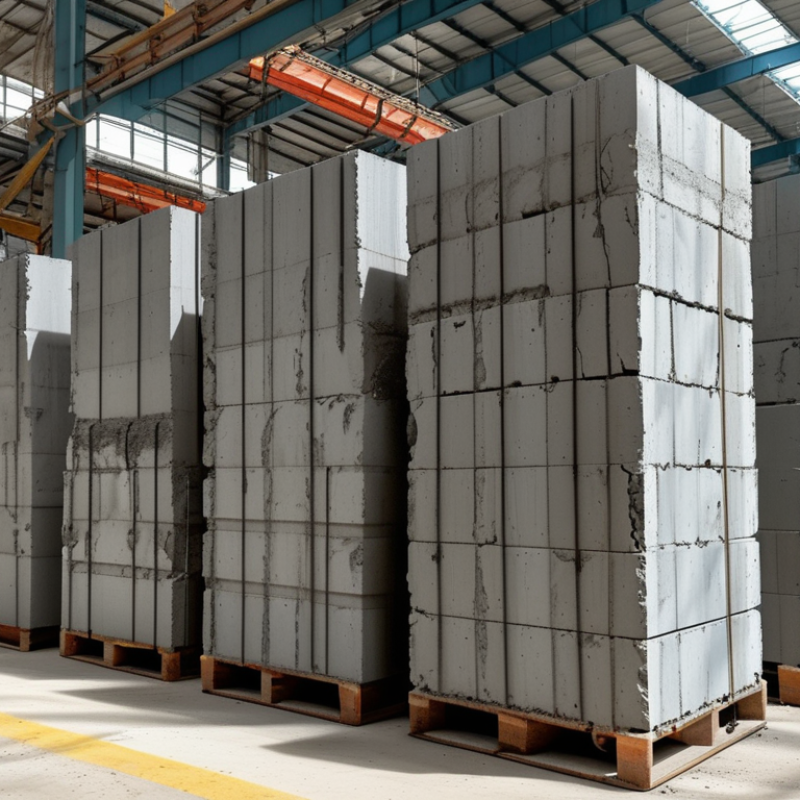
Define your product needs before contacting suppliers. Concrete masonry units may follow different strength classes, densities, sizes, and absorption limits. ASTM C90 provides a useful reference point: loadbearing units commonly require a minimum average net area compressive strength of 13.8 MPa. Treat this as a baseline, not a complete specification. Your project may require higher strength for retaining walls, foundations, or exposed structures.
Ask suppliers to state compressive strength by test method, curing age, and sampling quantity. Request recent laboratory reports, production photos, dimensional tolerances, and batch records. A dependable supplier should explain whether results represent individual units or average net area strength. Check raw materials, vibration equipment, curing rooms, and packing methods during a factory audit. Small cracks may appear after transport. That detail matters.
Tips: Compare at least three suppliers using the same technical sheet. Request sample units before placing a large order. Confirm the test laboratory’s independence and accreditation. Do not accept “high strength” as a measurable grade. Strength can vary between batches. Specifications can still miss reality. Ask how rejected units are handled, because quality control is visible in the details. A clear contract should define testing, tolerances, packaging, delivery duties, and corrective action. Even experienced buyers sometimes overlook moisture conditions during testing. Recheck them.
How to Find Top China Masonry Concrete Suppliers?
Screen Chinese suppliers against GB/T, ASTM, EN 771-3, and ISO 9001 requirements. GB/T documents should match the product’s Chinese classification, dimensions, strength, density, and water absorption. EN 771-3 focuses on aggregate concrete masonry units, while ASTM requirements vary by unit type and application. Ask for current test reports, laboratory accreditation, batch numbers, and traceable raw-material records. A certificate alone is not enough.
The ISO Survey 2022 recorded 1,265,216 ISO 9001 certificates across 189 countries and economies. This shows broad adoption, but certification does not prove every shipment is consistent. Request production records and independent verification. The 2023 Global Status Report for Buildings and Construction reported that buildings generated 37% of global energy and process-related emissions. Therefore, check recycled aggregate content, curing energy, and transport distance when sustainability matters. Ask for recent results, not perfect samples. Mistakes happen. A practical audit should include factory visits, random sampling, compression testing, and moisture checks before signing a long-term contract. Some suppliers may present standards accurately but apply them unevenly across different plants. Compare the test date, specimen size, testing method, and acceptance limit line by line. Also confirm whether ASTM or EN testing was performed by an accredited third party, rather than translated internally.
Screen Chinese suppliers by the product and management requirements covered by GB/T 8239, ASTM C90/C90M, EN 771-3, and ISO 9001.
How to read the chart: A value of 1 means the standard directly addresses that screening dimension; 0 means it is not the standard’s primary focus. Product standards cover masonry-unit performance, while ISO 9001 focuses on quality management systems rather than product specifications.
A capable supplier should show more than attractive product photos. Ask for factory capacity, equipment lists, and current production records. A plant making concrete blocks may have several lines, but only some may serve export orders. Check the working capacity of each line, not the advertised maximum. Numbers need context. Monthly output should match your required quantity, product sizes, and quality inspections. Request production data from recent months, including maintenance stoppages and rejected pieces. I once trusted a stated output figure without checking mold changes. The delivery estimate later became unrealistic.
Lead time deserves careful testing. Ask how many days cover mold preparation, raw material purchasing, curing, packing, and loading. Concrete products often need controlled curing before shipment. A short promise may exclude this stage. Request a written schedule with milestones and a reasonable buffer. Schedules can slip. Confirm whether the factory can add shifts during peak periods without reducing inspection standards. A trial order can reveal more than a sales presentation.
Export experience also needs evidence. Ask for shipment records, packing photographs, loading plans, and destination documents with sensitive details removed. Experienced teams should explain container utilization, moisture protection, pallet strength, and port procedures clearly. They should also identify risks instead of claiming perfect performance. Check whether the same product has reached markets with similar packaging and climate requirements. A factory visit, video inspection, and independent pre-shipment inspection can strengthen your decision. Trust, but verify.
Finding a dependable China masonry concrete supplier starts with the mix, not the catalog. During supplier reviews, I request the exact proportions of cement, aggregate, water, and admixtures. A clear mix design should identify batch tolerances and moisture corrections. Vague recipes create avoidable variation. Ask for production records from recent batches, not a polished sample alone. I once focused too heavily on compressive strength and missed inconsistent aggregate grading. That was a useful warning.
Curing controls deserve equal attention. The supplier should explain temperature, humidity, curing duration, and storage positions. For masonry units or precast components, inspect curing chambers, wet coverings, and demolding practices when possible. Photographs help, but a live audit is stronger. Check whether workers record curing times for every batch. Shortcuts can appear harmless. They may cause shrinkage, weak edges, or uneven color. A supplier should also describe corrective action when a batch leaves the target range.
Test reports must be traceable to product codes, batch numbers, dates, and specimen sizes. Confirm the laboratory’s qualifications and ask whether testing follows recognized standards required for your project. For a 2000 psi requirement, do not accept a single impressive result. Review multiple consecutive results, failure modes, and test age. Independent verification can expose optimistic internal data. I prefer witnessing sampling and sealing specimens, although this adds time. It is worth checking. Compare reported results with field performance, delivery records, and retained samples before approving regular orders.
A low quotation does not always mean a lower purchasing cost. Ask each supplier for a detailed price sheet covering product price, minimum order quantity, tooling, inland delivery, and export documents. A small trial order may carry a higher unit price, but it can reduce inventory risk. Check whether the MOQ matches your project schedule and storage capacity. Extra pallets can quietly consume warehouse space.
Freight needs careful calculation. Compare the quoted shipping method, port charges, insurance, and estimated delivery time. For heavy masonry concrete products, volume and weight can change the final landed cost sharply. Request packaging photos and a packing specification.
Strong corner protection, moisture barriers, and stable pallet straps can prevent damaged units. However, stronger packaging may increase freight weight. I once overlooked this detail, and the “cheaper” option became more expensive after arrival.
Warranty terms should state coverage, response time, and evidence requirements for claims. Do not accept vague promises. Ask how defects are inspected and replaced.
Sample testing is equally practical: inspect dimensions, surface finish, color consistency, compressive strength, and water absorption when relevant. Send samples to an independent laboratory if the project is sensitive. One sample is useful, but not fully representative. Batch variation can still appear. Record every test result beside the quotation, then compare the complete landed cost rather than the factory price alone.