How to Determine Concrete Strength for Your Construction Needs?
Understanding concrete strength is vital for any construction project. It affects the durability and safety of structures. According to a report by the American Concrete Institute, around 80% of structural issues stem from insufficient concrete strength. This statistic underscores the need for precise testing and analysis during the construction process.
Expert Mark Peterson, a renowned civil engineer, emphasizes, “Inadequate assessment of concrete strength can lead to catastrophic failures.” His statement highlights the importance of reliable methods for evaluating this key material. Concrete strength is not just a number; it's a measure of safety for years to come.
Evaluating concrete strength requires a keen eye and rigorous testing procedures. Many builders rely on traditional methods, yet sometimes they may overlook modern technology that yields better results. There is room for improvement in how we understand and apply concrete strength in construction practices. Balancing traditional methods with new techniques can lead to more resilient structures. This ongoing challenge reflects the industry's commitment to safety and innovation.

Understanding Concrete Strength: Definition and Importance in Construction
Concrete strength is a vital factor in construction projects. It defines the ability of concrete to withstand loads and pressures. The American Concrete Institute states that concrete compressive strength is typically measured in pounds per square inch (psi). A standard structural concrete mix often achieves a compressive strength of 4,000 psi. This performance metric ensures the integrity and longevity of structures. Weak concrete can lead to catastrophic failures.
Understanding your project’s strength requirement is crucial. For example, residential buildings may require only 2,500 to 3,000 psi. However, bridges and high-rise buildings need higher strengths, often exceeding 5,000 psi. The selection depends on intended use and environmental conditions. Make sure to review relevant standards. The National Ready Mixed Concrete Association offers guidelines on choosing the right mix.
Tips: Always conduct a slump test to assess workability before pouring. This can prevent future issues. Also, consider a curing period of 28 days for optimal strength.
Balancing cost and strength is critical. High-strength concrete is more expensive but may be necessary for safety. Seek advice from a structural engineer when in doubt. They can provide insights based on your specific situation. Remember, it’s better to invest in strength now than face costly repairs later.
How to Determine Concrete Strength for Your Construction Needs?
| Concrete Grade |
Compressive Strength (MPa) |
Typical Uses |
Curing Time (Days) |
| C20/25 |
20-25 |
Residential Floors, Pathways |
7 |
| C25/30 |
25-30 |
Light Traffic Areas, Foundations |
7 |
| C30/37 |
30-37 |
Highways, Driveways |
14 |
| C40/50 |
40-50 |
High-rise Buildings, Bridges |
28 |
| C50/60 |
50-60 |
Industrial Floors, Heavy Structures |
28 |
Factors Influencing Concrete Strength: Composition and Curing Processes
Concrete strength is not just a number; it’s influenced by various factors. The right composition is crucial. A mix of cement, water, aggregates, and additives can make or break the durability of concrete. The water-cement ratio plays a vital role. Too much water can weaken the mix. This is a common mistake. Many builders overlook the importance of precise measurements.
Curing processes also impact strength significantly. Curing is the method of maintaining adequate moisture, temperature, and time to allow the concrete to achieve its desired strength. Insufficient curing can lead to cracks. Some construction teams rush this process, thinking it is less important. This oversight can result in long-term issues and repairs, costing time and money.
Environmental factors can't be ignored. Temperature and humidity levels during curing must be controlled. Fluctuations can weaken the concrete. In colder climates, using blankets or heating systems is often necessary. In contrast, hot weather requires careful planning to prevent rapid moisture loss. Every detail matters. Overlooking these can compromise project integrity.
Testing Methods for Evaluating Concrete Strength: Compression and Beyond
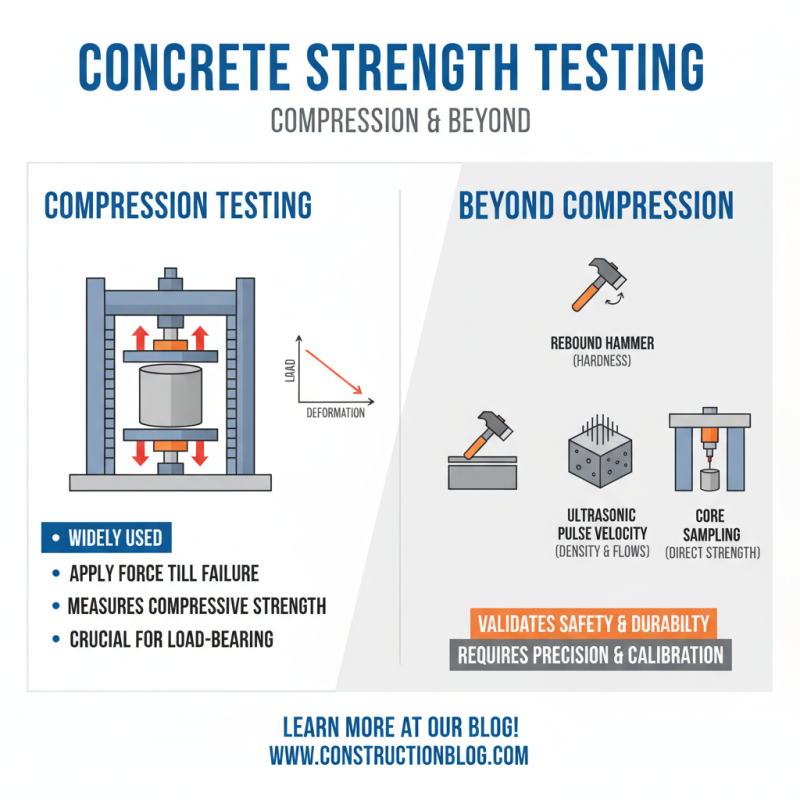
Concrete strength is vital in construction, directing safety and durability. To assess this, various testing methods validate its integrity. Compression testing is widely utilized. This involves applying force until the concrete fails. The results indicate its compressive strength, essential for load-bearing analysis. Proper execution of this test requires precision in sample preparation and equipment calibration.
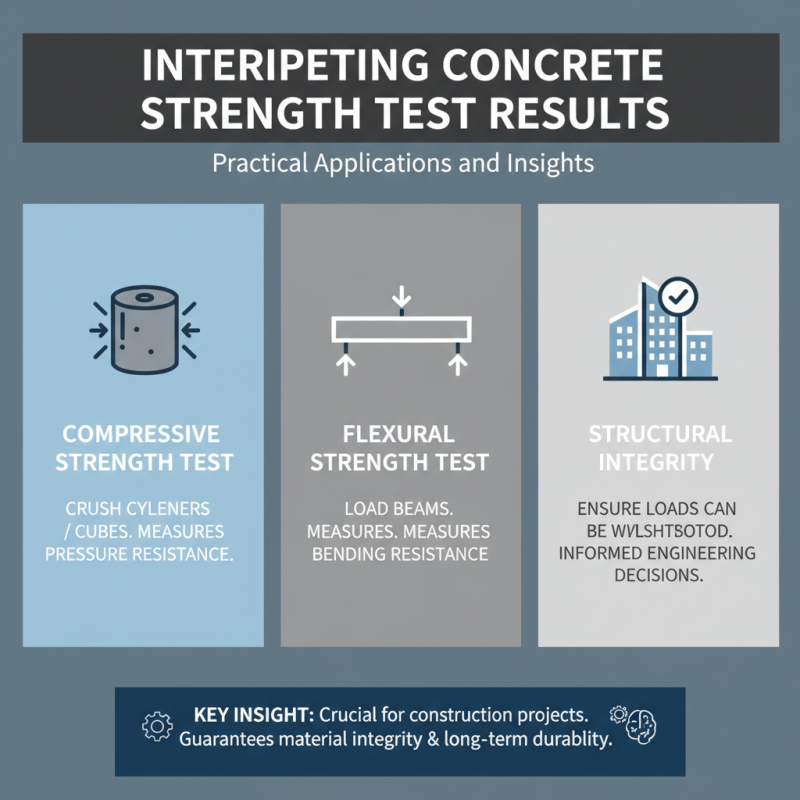
Beyond compression tests, there are other evaluation methods. Tension tests reveal how well concrete withstands pulling forces. Flexural tests measure its ability to resist bending. Each method has unique benefits and limitations, impacting construction decisions. These evaluations must align with project specifications. Imperfections in testing can arise, leading to inaccurate assessments.
Proper interpretation of results demands expertise. Engineers must analyze data contextually. Factors like curing conditions and material properties affect outcomes significantly. A successful testing program includes multiple methods. This comprehensive approach minimizes risks and enhances structural integrity. Ensure records are detailed and reliable for future reference and review.
Standards and Codes for Concrete Strength in Construction Industry Practices
In the construction industry, understanding the standards and codes governing concrete strength is essential. The American Concrete Institute (ACI) provides guidelines that are critical for ensuring structural integrity. According to ACI 318, concrete must meet specific compressive strength levels, typically measured at 28 days. This standard often requires a minimum of 3,000 psi for residential applications and can exceed 5,000 psi for industrial projects. These benchmarks help architects and engineers design safe buildings.
Compliance with local codes is equally important. The International Building Code (IBC) incorporates ACI standards, mandating that concrete mixes be tested for strength before use. This process usually involves sampling and testing, which can be time-consuming. Yet, it ensures that the concrete will perform as expected under load. ACI's detailed recommendations include using properly graded aggregate, which can significantly impact strength.
Reflecting on these practices reveals that not all projects strictly adhere to such guidelines, leading to variability in concrete performance. Some contractors may underestimate the importance of these standards, resulting in weaker structures. It highlights the need for ongoing education within the industry to promote compliance with established codes. Meeting these standards requires diligent oversight and a commitment to quality.
Concrete Strength Standards and Codes
This chart represents the average compressive strength of concrete mixes used in construction according to various standards. The data shows how different mix ratios impact the strength of concrete over a standard curing period of 28 days.
Interpreting Concrete Strength Test Results: Practical Applications and Insights
Interpreting concrete strength test results is crucial for construction projects. Strength tests provide insights into the material’s integrity. Common methods include compressive strength tests and flexural tests. These tests help ensure structures can withstand loads over time. Understanding these results allows engineers to make informed decisions.
High-strength concrete is often required for skyscrapers and bridges. However, it's essential to balance strength with other factors. For example, using overly high-strength concrete can lead to increased costs and challenges in workability. In some cases, the strength may exceed project requirements, wasting resources.
Moreover, environmental conditions and mix design significantly influence test outcomes. Variability in aggregate quality and moisture levels can affect strength. Testing may not reveal all weaknesses in the mix. Therefore, continuously refining techniques and methods is essential. Building strong concrete requires careful evaluation and a commitment to quality standards.