What is a Concrete House and Why Is It Gaining Popularity in Home Construction
In recent years, the concept of a concrete house has been gaining significant traction in the realm of home construction. Traditionally seen as the material of choice for commercial buildings and infrastructure, concrete is now being embraced by homeowners and builders alike for its unique advantages. A concrete house not only offers enhanced durability and longevity but also provides a modern aesthetic that appeals to a variety of tastes. As sustainability becomes a priority, many are turning to concrete for its energy efficiency and lower maintenance costs, making it a practical choice for contemporary living.
The growing interest in concrete houses can be attributed to their ability to withstand extreme weather conditions, which is increasingly important in our changing climate. With climate resilience on the minds of many, concrete offers a robust solution that enhances safety and peace of mind for residents. Moreover, the versatility of concrete allows for innovative designs, ensuring that these homes are not only functional but also visually appealing. As we delve deeper into the benefits and growing popularity of the concrete house, it becomes clear that this building method is shaping the future of residential construction.
Understanding Concrete Houses: Definition and Features
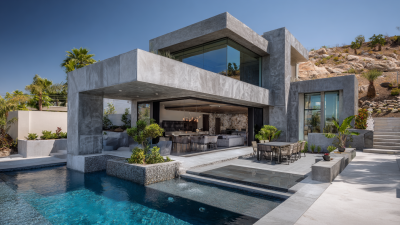
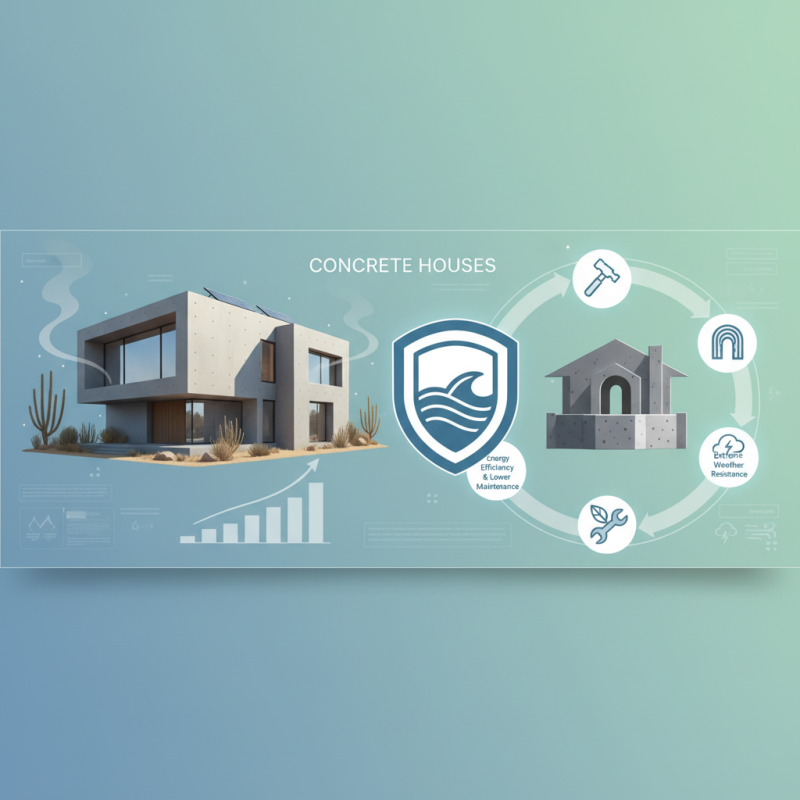
Concrete houses, also known as concrete homes, are structures primarily constructed using concrete as their main material. This building method provides a range of appealing features that contribute to its increasing popularity in modern home construction. One of the most significant attributes of concrete houses is their durability. Unlike traditional wood-frame homes, concrete structures are resistant to weather extremes, pests, and rot, making them a long-lasting option for homeowners.
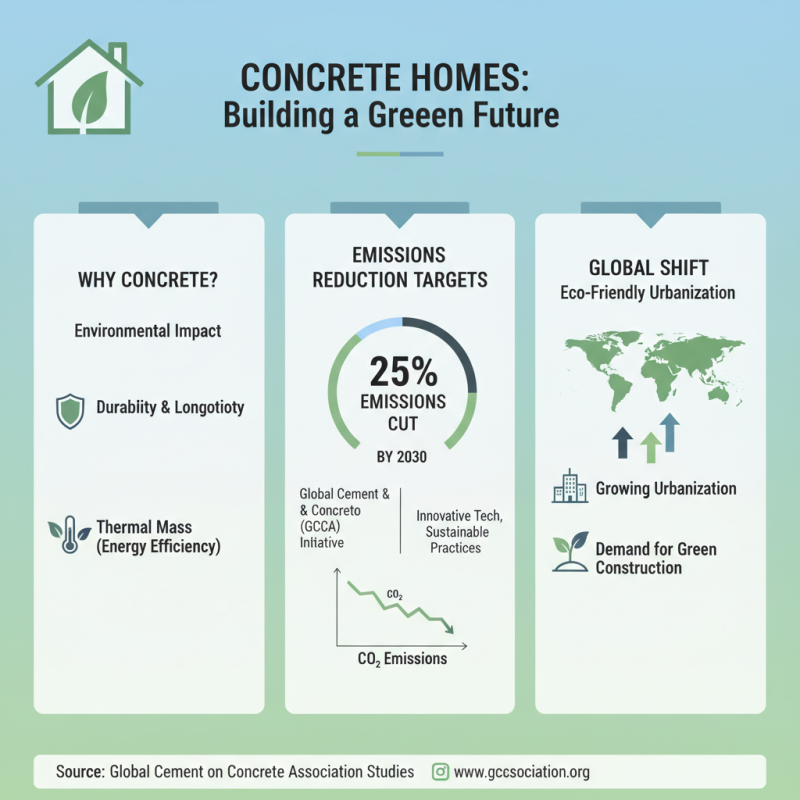
Another notable feature of concrete houses is their energy efficiency. The thermal mass of concrete allows it to absorb heat during the day and release it at night, helping to regulate indoor temperatures. This characteristic can lead to reduced energy consumption for heating and cooling, benefiting both the environment and homeowners' utility bills. Additionally, concrete houses can be designed to incorporate sustainable practices, such as the use of recycled materials and solar panels, further enhancing their appeal to eco-conscious buyers. As awareness of these advantages grows, concrete homes are becoming an attractive alternative in the housing market.
Concrete House Popularity Over the Years
Advantages of Concrete Houses Over Traditional Building Methods
Concrete houses are increasingly popular in home construction due to their numerous advantages over traditional building methods. One of the primary benefits of concrete is its durability. Concrete structures are resistant to various environmental factors, including extreme weather conditions, pests, and fire. This resilience not only extends the lifespan of the house but also reduces the need for frequent repairs and maintenance, ultimately saving homeowners time and money.
In addition to durability, concrete houses offer excellent energy efficiency. The thermal mass of concrete helps regulate indoor temperatures, reducing the reliance on heating and cooling systems. This energy efficiency translates into lower utility bills and a reduced carbon footprint, appealing to environmentally-conscious buyers. Furthermore, the versatility of concrete in design allows for innovative architectural styles and greater customization, making it an attractive option for those looking to express their individuality through their homes.
Environmental Impact and Sustainability of Concrete Construction
The growing popularity of concrete houses can be significantly attributed to their environmental impact and sustainability. Recent studies from the Global Cement and Concrete Association indicate that the concrete industry has made substantial progress toward reducing carbon emissions. By 2030, the industry aims to cut its emissions by 25%, leveraging innovative technologies and sustainable practices. This initiative is a response to the pressing need for eco-friendly construction methods as urbanization continues to surge globally.
Concrete, being highly durable and resilient, contributes to sustainability not only during its production but throughout its lifecycle. According to a report by the United Nations Environment Programme, buildings account for approximately 39% of global carbon emissions, making energy-efficient construction crucial. Concrete homes generally provide superior thermal mass, which means they maintain temperature more effectively than traditional wood-framed houses. As a result, they can lower energy consumption for heating and cooling, leading to reduced utility costs and minimizing the carbon footprint associated with residential living.
Moreover, advancements in concrete technology are paving the way for greener alternatives, such as using recycled materials in concrete mixtures and incorporating carbon capture technologies during production. The use of these methods can further diminish the environmental impact of concrete construction, creating a pathway toward more sustainable living environments. As homeowners and builders become more conscious of environmental implications, concrete houses are positioned to play a significant role in the future of sustainable housing.
Cost Considerations and Financial Implications of Concrete Homes
Concrete homes are increasingly being adopted in the construction sector due to their numerous cost benefits and financial implications. According to a report by the National Association of Home Builders, while the initial construction cost of concrete homes may be higher—ranging approximately 5-15% more than traditional wood-framed houses—the long-term savings can be substantial. These homes, known for their durability and energy efficiency, often lead to lower utility bills. For example, concrete has inherent thermal mass properties that help in maintaining consistent indoor temperatures, reducing the need for extensive heating and cooling throughout the year.
Moreover, concrete homes often come with lower maintenance costs. A study from the Concrete Institute indicates that homeowners can expect a lifespan that is significantly longer than conventional structures, with estimates showing a lifespan of over 50 years. This longevity not only allows for reduced repair expenditures but also improves property value over time. The reduction in insurance costs, attributed to the fire-resistant characteristics of concrete, adds to the overall financial appeal of this building material. As such, while the upfront investment may be higher, the overall financial implications—considering energy savings, maintenance, longevity, and insurance reduction—paint a favorable picture for concrete homes in modern construction.
Trends in Home Construction: The Rise of Concrete House Popularity
The home construction industry is witnessing a significant shift towards concrete houses, driven by their durability, energy efficiency, and design versatility. According to a recent report by the Portland Cement Association, the demand for concrete homes has increased by over 15% in the past five years, reflecting a growing trend among homeowners and builders alike. This surge in popularity can be attributed to heightened awareness of environmental sustainability and the long-term cost savings associated with concrete structures. These homes not only require less maintenance but also offer superior insulation, resulting in lower energy bills.
Tips: When considering a concrete house, think about incorporating energy-efficient designs. Utilizing thermal mass can help regulate indoor temperatures and reduce reliance on heating and cooling systems. Additionally, explore the options for aesthetic finishes that complement concrete’s robust nature, thereby enhancing your home’s curb appeal.
Another factor contributing to the rise of concrete homes is the increasing focus on disaster-resistant construction. As natural disasters become more frequent, homeowners are seeking resilient building materials. A study from the National Institute of Building Sciences highlights that concrete structures can withstand extreme weather conditions, such as hurricanes and earthquakes, significantly better than traditional wooden homes. This resilience not only provides peace of mind to homeowners but also ensures the protection of their investments.
Tips: Consult with professionals to evaluate the potential of concrete for your specific location, particularly if you live in an area prone to extreme weather. Consider integrating modern technology, such as smart home systems, to further enhance the functionality and efficiency of your concrete house.
What is a Concrete House and Why Is It Gaining Popularity in Home Construction
| Feature |
Description |
Benefits |
| Durability |
Concrete is highly durable and can withstand harsh weather conditions. |
Reduces the need for frequent repairs and maintenance. |
| Energy Efficiency |
Concrete homes have excellent thermal mass, helping maintain temperature. |
Lower heating and cooling costs. |
| Fire Resistance |
Concrete is highly resistant to fire, providing safety for occupants. |
Enhanced safety and potentially lower insurance rates. |
| Sustainability |
Modern concrete production uses recycled materials. |
Eco-friendly building option with lower carbon footprint. |
| Design Flexibility |
Concrete can be molded into various shapes and sizes. |
Allows for creative designs and custom homes. |