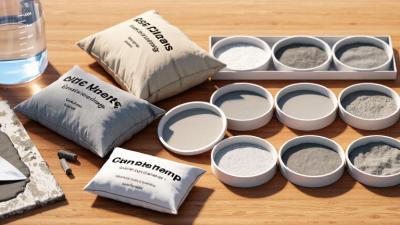
Choosing the best cement for home projects is not simply a matter of picking the strongest bag. The right product depends on the task, surface, weather, mixing conditions, and expected load. A small patio, fence post, repair patch, and indoor mortar joint each need different performance characteristics. Dr. Karen Scrivener, a leading cement scientist, has said, “Cement is the most widely used material in the world.” That reach makes careful selection important, even for modest repairs.
This guide explains how to compare cement types before opening a bag. It considers Portland cement, blended cement, rapid-setting products, masonry cement, and ready-mix options. You will also see how water content changes strength, workability, and cracking risk. Too much water feels convenient. It often creates a weaker finish. A dusty garage floor, a cool morning, or a partly torn bag can also affect results. These details are easy to overlook.
For reliable decisions, check the manufacturer’s technical sheet and follow local building requirements. Product labels matter more than attractive packaging. Experienced builders also inspect the substrate, measure accurately, and protect fresh cement from rapid drying. Still, no guide removes every uncertainty. Home conditions vary, and beginners may misjudge the amount needed. That is worth admitting. When a structural repair involves load-bearing walls, foundations, or serious cracking, consult a qualified professional. The best cement for home projects is the product that matches the job, not the product with the boldest claim.

How to Choose the Best Cement for Home Projects?
Cement selection starts with ASTM performance types, not a familiar bag label. ASTM C150 covers portland cement, including Type I for general work, Type II for moderate sulfate exposure, and Type III for early strength. Types IV and V serve low-heat and high-sulfate conditions. They are less common in small renovations. A garage slab usually needs Type I or II, but soil chemistry can change that decision.
ASTM C595 covers blended cement. Type IL includes limestone, while IS, IP, and IT contain slag, pozzolan, or ternary combinations. These materials can reduce clinker content and improve durability. The International Energy Agency reports that cement production creates roughly 7% of global carbon dioxide emissions. The U.S. Geological Survey estimated about 91 million metric tons of cement were produced domestically in 2023. Those figures make material efficiency important, even for modest home projects.
ASTM C1157 is performance-based rather than ingredient-based. GU suits general use, HE supports early strength, and MS or HS addresses sulfate exposure. MH and LH control heat in larger placements. I would not choose solely by the highest compressive-strength number. That is a common mistake. Check the project specification, local aggregate, curing temperature, and exposure conditions. A small trial batch can reveal workability problems before a patio becomes expensive. The imperfect part is judgment; standards narrow the risk, but they do not replace site evidence.
How to Choose the Best Cement for Home Projects?
Choosing cement begins with the project’s expected load, not the bag’s appearance. A garden path needs different performance from a retaining wall or a small foundation. Ask for verified compressive-strength data at 28 days. ASTM C109 evaluates hydraulic cement mortar cubes under controlled laboratory conditions. It provides a useful comparison of cement performance, but it does not predict every concrete result on site.
Match the test strength to the project and local requirements. Higher strength is not automatically better. A mix can become difficult to place, wasteful, or more prone to cracking when proportions are poorly controlled. Water content, aggregate grading, curing, and temperature also affect the final result. Keep test reports, batch details, and curing records. These details make decisions more reliable. I have seen homeowners focus on early hardness and overlook curing. That shortcut can mislead.
Tips: Confirm that the report references ASTM C109 and clearly states the 28-day result. Compare similar mortar or cement types, not unrelated products. Follow the specified water-to-cement ratio. Keep fresh work damp and protected during curing. If a wall supports soil or a slab carries vehicles, consult a qualified engineer before selecting materials. Small errors matter. A 28-day result is evidence, not a guarantee. Review the complete mix design and site conditions before purchasing.
How to Choose the Best Cement for Home Projects?
For typical DIY concrete, aim for a water–cement ratio between 0.40 and 0.60. This ratio compares water weight with cement weight, not their volumes. A ratio near 0.50 often balances strength and workability for small slabs, posts, and paths. Lower water content can produce stronger concrete, but the mix may become stiff and difficult to place. More water makes pouring easier, yet it usually increases shrinkage, pores, and cracking. Measure carefully with a kitchen scale or marked container. Guessing is convenient, but unreliable.
Keep aggregate moisture in mind. Damp sand can quietly add water to the mixture, changing the planned ratio. Add water gradually, then mix until the concrete looks cohesive rather than soupy. It should hold its shape when pressed, while still spreading with steady effort. I have sometimes added too much water while chasing a smoother finish. The result looked helpful at first, but cured with a weaker surface. A small test batch can reveal problems before a full pour. Not perfect, but useful. After placement, protect the concrete from rapid drying and keep it gently moist during early curing. The best cement choice still depends on the project, local conditions, and the quality of measuring.
Setting time matters when repairing a step, casting a path, or placing a small slab. ASTM C191 measures cement paste setting with the Vicat apparatus. It identifies initial and final setting through needle penetration, not surface appearance. This distinction is important. A paste may look firm while remaining weak inside. ASTM C191-24 uses controlled laboratory conditions, so treat its results as a comparison tool rather than a promise for your jobsite.
Temperature can change the practical result. ACI 305R-20 explains that hot conditions accelerate hydration and reduce working time. Cold conditions slow the reaction and delay finishing. For a home project, record the air, mixing-water, and surface temperatures. A shaded 30°C patio can behave very differently from a 20°C indoor test.
Mix only a manageable batch, keep the water amount consistent, and use a timer. Do not add water later because the paste feels stiff. That shortcut can reduce strength and disturb setting behavior.
Read the cement’s technical data sheet, then compare its stated setting range with ASTM C191 results. The U.S. Geological Survey’s Mineral Commodity Summaries 2025 reports roughly 86 million metric tons of U.S. cement production in 2024, showing how widely standardized cement testing supports the industry. Still, small projects expose a weakness in my own method: I sometimes judge readiness by touch alone. A simple temperature log and timed test are more reliable. Check the mix again before finishing.
Choosing cement for a home project involves more than comparing strength claims. Freshness often determines whether a mix performs consistently. Check the production date and choose bags with intact, readable packaging. Cement with hard lumps has absorbed moisture. Do not assume those lumps will break down safely during mixing. I once ignored a few hardened patches, and my test batch set unevenly. That mistake wasted time and materials. Buy only the quantity you can use promptly.
Store bags on raised pallets, never directly on concrete or soil. Keep them in a dry, enclosed room with limited airflow. Plastic covers help, but they cannot fix damp storage. Use older bags first and inspect them before mixing. Small details matter. For coverage, calculate the required volume from length, width, and thickness. Check the stated yield for the chosen bag size. Actual coverage may decrease on rough surfaces or when the layer becomes thicker. Include a modest allowance for waste, but avoid excessive purchasing.
Local building codes may specify cement type, mix proportions, reinforcement, curing time, or minimum strength. Contact the local building department before structural repairs, slabs, retaining walls, or foundations. Requirements can change between towns and climate zones. Keep the product documentation and your calculations. For load-bearing work, have a qualified professional review the plan. A small test mix can reveal poor workability before the main pour. Follow the specified water ratio, even when the mixture seems too stiff. More water may make placement easier, but it can weaken the finished material.
| Decision Area | What to Check | Practical Guidance | Typical Data or Calculation | Recommended Action |
|---|---|---|---|---|
| Freshness Cement condition |
Manufacturing date, packaging condition, and powder texture | Use cement as fresh as reasonably possible. Avoid bags with torn packaging, moisture marks, hard lumps, or powder that feels damp. | Storage time is commonly limited by the product specification. Cement can lose strength and become lumpy when exposed to moisture, even before the package appears damaged. | Choose intact, clearly dated bags. Reject material with widespread hard lumps or signs of water exposure. |
| Storage Before use |
Dryness, ventilation, elevation, and protection from ground moisture | Store bags in a dry, enclosed area on a raised pallet. Keep them away from exterior walls, leaks, standing water, and direct contact with concrete floors. | Keep stacks covered but allow air circulation. Use older bags first and avoid storing cement where relative humidity or condensation can cause dampness. | Keep bags sealed until needed and protect them from rain, plumbing leaks, and humid conditions. |
| Cement Type Project suitability |
Intended application and product technical data | Different cement types and blended cements can have different setting times, strength development, heat generation, and durability characteristics. | Concrete, mortar, render, grout, and repair work may require different products or mix proportions. The bag label and technical data sheet should identify the intended use. | Match the cement to the application instead of selecting solely by price or color. |
| Coverage Concrete |
Required volume, not just surface area | Estimate the finished concrete volume first. Multiply length by width by average depth, then allow for a reasonable quantity of waste and uneven ground. | Volume: length × width × depth. For example, 3 m × 2 m × 0.10 m = 0.60 m³ of concrete before waste. | Use the specified concrete mix or a professionally prepared mix design. Do not add extra water to increase coverage because it can reduce strength and durability. |
| Coverage Mortar and render |
Joint size, surface unevenness, thickness, and wastage | Coverage varies significantly with block or brick dimensions, joint thickness, substrate flatness, application thickness, and mixing proportions. | For render, coverage is calculated from area × thickness. A 10 m² wall at 10 mm thickness requires approximately 0.10 m³ of wet mortar before allowance for waste and surface irregularity. | Follow the product coverage information and prepare a small test area when appearance or thickness is important. |
| Mixing Water Consistency |
Water quality and water-to-cement ratio | Use clean water suitable for construction. Excess water may cause bleeding, shrinkage, lower strength, and increased permeability. | The correct water quantity depends on the cement, aggregate, admixtures, workability, and required strength. Do not rely on a universal volume for every project. | Measure water consistently and follow the package instructions or approved mix design. |
| Curing After placement |
Moisture retention, temperature, and protection from rapid drying | Fresh concrete and cement-based materials need protection while they gain strength. Wind, heat, and low humidity can accelerate moisture loss. | Many concrete specifications use a curing period of at least 7 days for ordinary Portland-cement concrete, unless the approved specification requires a different period. | Follow the project specification and keep the surface from drying prematurely using suitable curing methods. |
| Building Code Local requirements |
Permit rules, structural requirements, site conditions, and approved materials | Requirements vary by location and may cover concrete strength, reinforcement, footing depth, frost protection, drainage, fire performance, accessibility, and weather exposure. | There is no single worldwide cement mix or strength requirement that is suitable for every home project. Local authorities may require plans, inspections, or engineering approval. | Check the current local building code and permit office before structural work, foundations, retaining walls, slabs, or work near utilities. |
| Safety Handling |
Skin, eye, respiratory, lifting, and mixing hazards | Dry cement dust can irritate the respiratory system, and wet cement can cause skin irritation or chemical burns after prolonged contact. | Use suitable gloves, eye protection, protective clothing, and dust control. Avoid breathing dust and wash exposed skin promptly. | Read the safety data sheet and product label. Seek medical advice for persistent eye exposure, burns, or breathing difficulty. |
| Waste Planning Quantity control |
Quantity required, packaging size, and disposal method | Over-ordering increases waste, while under-ordering can create color and strength differences between batches or interrupt placement. | Calculate the required quantity from measured volume or area, then add a project-appropriate allowance for spillage, uneven surfaces, and cutting or trimming losses. | Keep unused cement dry and dispose of hardened or contaminated material according to local waste rules. |
Important: Coverage, curing time, strength, and permitted applications depend on the specific cement product, mix design, weather, substrate, workmanship, and local regulations. Always follow the current product instructions and applicable building code.