Why You Should Choose Masonry Cement for Your Next Construction Project
Masonry cement has become increasingly essential in the construction industry due to its versatility and durability. According to a recent report by the Portland Cement Association, the demand for masonry cement is projected to grow at a CAGR of 4.2% over the next five years, driven by urbanization and the rise in residential construction projects. This trend emphasizes not only the strength but also the adaptability of masonry cement in various applications, from brick walls to intricate architectural designs.
Industry expert Robert Stone, a seasoned structural engineer, states, "Masonry cement is not just a building material; it is the backbone of modern construction." His insights resonate with many in the field who recognize the importance of selecting high-quality materials to ensure structural integrity and longevity. With its exceptional bonding properties and resistance to weathering, masonry cement provides a reliable choice for architects and builders looking to meet the growing demand for sustainable and resilient structures.
As the construction sector adapts to changing consumer preferences and environmental standards, choosing masonry cement for your next project aligns with both industry best practices and the evolving landscape of construction materials. By investing in masonry cement, not only are you ensuring a sturdy and aesthetically pleasing result, but you are also contributing to more sustainable building practices that are vital for the future of our cities.
Benefits of Using Masonry Cement in Construction Projects
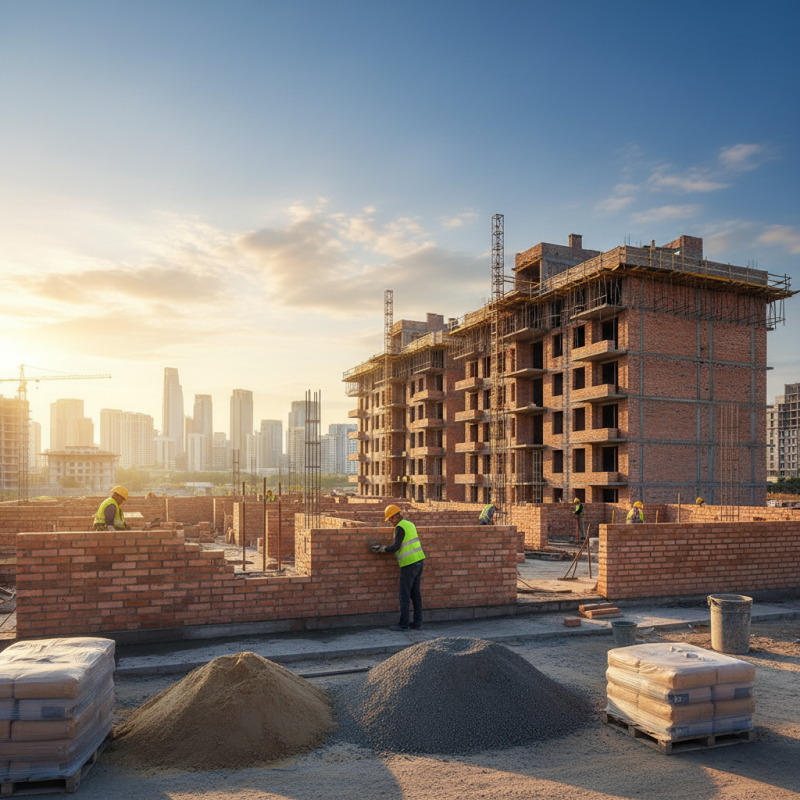
Masonry cement offers a range of benefits that make it an excellent choice for construction projects. One of its primary advantages is its superior bond strength, which allows for strong adhesion between bricks, blocks, and other masonry materials. This strength not only contributes to the structural integrity of buildings but also enables them to withstand various environmental stresses, such as temperature fluctuations and moisture exposure.
Additionally, masonry cement is formulated to enhance workability. This means that it can be easily mixed and manipulated, allowing for a more efficient construction process. The ease of application helps reduce labor time and costs, making it an economical option for contractors. Furthermore, masonry cement is designed to resist cracking and shrinking, leading to longer-lasting structures with minimal maintenance requirements. These properties make masonry cement a reliable choice for both residential and commercial projects.
Key Properties of Masonry Cement That Enhance Durability
Masonry cement stands out as an exceptional material choice when it comes to enhancing the durability of construction projects. Its superior adhesion properties, attributed to a balanced blend of Portland cement, fillers, and additives, lead to stronger bond strength with substrate materials. According to a report by the National Concrete Masonry Association, masonry systems can achieve compressive strengths exceeding 5,000 psi, making them suitable for load-bearing applications and adverse weather conditions.
Another key property of masonry cement is its ability to resist moisture penetration and improve the longevity of structures. The American Concrete Institute highlights that masonry walls with high-density cement can reduce water absorption rates significantly, thereby protecting the integrity of masonry units and reinforcing steel from corrosion. This resistance to moisture not only helps prevent structural damage but also diminishes the need for frequent repairs, leading to cost savings over the lifespan of the building. By choosing masonry cement, construction professionals can leverage these properties, ensuring that their projects stand the test of time.
Comparison of Masonry Cement with Traditional Cement Options
Masonry cement is gaining popularity as a preferred option for construction projects, especially when compared to traditional cement choices. One of the key advantages of masonry cement lies in its enhanced durability and workability. Recent innovations, such as the incorporation of sustainable materials like volcanic scoria and bio-brick systems, demonstrate a shift toward more resilient alternatives in masonry applications. These developments align with the construction sector's increased focus on sustainability, suggesting that masonry cement is not only a practical choice but also an environmentally responsible one.
Moreover, studies on the mechanical and thermal performance of modern cement composites reveal significant improvements over conventional options. For instance, integrating innovative materials like rice husk ash has been shown to bolster the microstructural properties of cement mortar, enhancing overall performance. This synergy highlights the potential benefits of masonry cement in adopting new technologies and materials, ultimately leading to more efficient and durable construction practices.
Applications and Uses of Masonry Cement in Various Structures
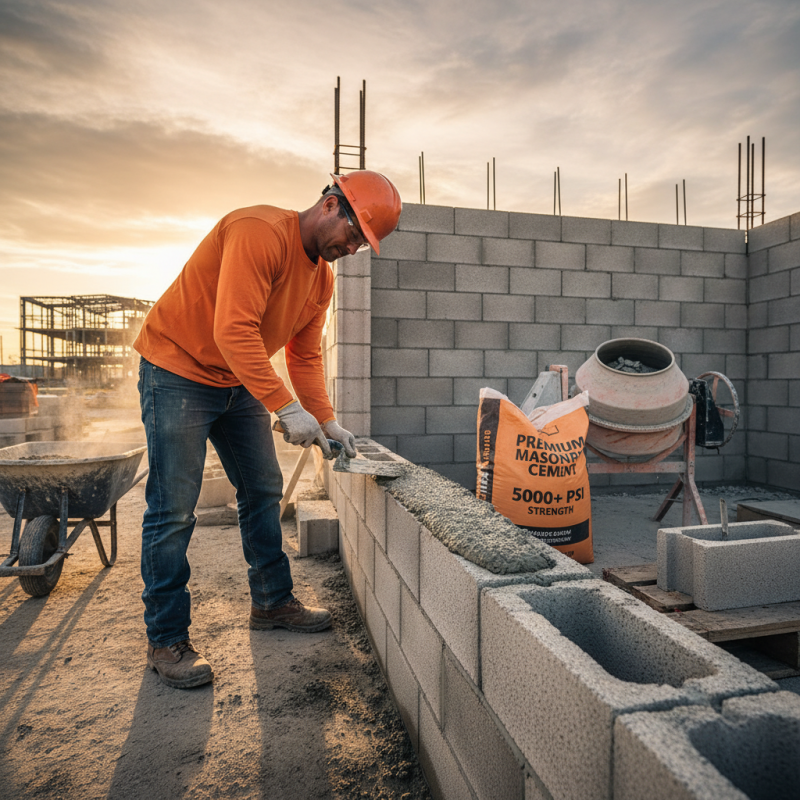
Masonry cement plays a crucial role in various construction applications, making it a preferred choice for many builders. It is specifically designed to work with aggregates to create strong and durable structures. One of the primary applications of masonry cement is in brick or block laying, where it serves as a binding agent that enhances the overall strength and stability of walls. Additionally, it's often used in creating masonry mortars for stone or glass block installations.
When considering masonry cement for your project, it's essential to select the right mix that suits your specific needs. Tip: Always check the local guidelines and regulations that might dictate the type of masonry cement required for your construction.
Another important application is in paving and hardscaping, where masonry cement can be incorporated to create durable driveways and patios that withstand weather and wear.
Tip: When working with masonry cement, ensure proper curing techniques are followed to achieve maximum strength. This will not only improve the longevity of your structures but also enhance their aesthetic appeal.
With its versatility and robustness, masonry cement is undoubtedly a smart choice for various construction projects.
Environmental Considerations of Choosing Masonry Cement
When considering materials for your next construction project, the environmental benefits of masonry cement are significant. Unlike traditional cement, masonry cement reduces the carbon footprint associated with the manufacturing process. Its production often incorporates waste materials and by-products from other industries, which not only conserves natural resources but also helps in minimizing landfill waste. This integration promotes a circular economy, making masonry cement a sustainable choice for environmentally conscious builders.
Moreover, masonry cement contributes to energy efficiency in buildings. Its inherent thermal properties help maintain stable indoor temperatures, reducing the need for excessive heating or cooling. This energy efficiency has a positive impact on reducing greenhouse gas emissions associated with energy consumption. Additionally, structures built with masonry cement often have longer lifespans, meaning they require fewer resources for maintenance and replacement over time, further solidifying their role as an environmentally friendly building material.