10 Best Mixed Cement Options for Your Construction Projects?
When embarking on construction projects, choosing the right materials is crucial. One key component is mixed cement. It plays a significant role in the strength and durability of structures. Mixed cement combines various ingredients to enhance performance.
Different types of mixed cement cater to specific needs. Some offer fast-setting capabilities, while others provide greater resistance to environmental factors. Understanding these options can greatly impact project outcomes. Not all mixed cement is equal, and selecting the wrong type can lead to project delays or failures.
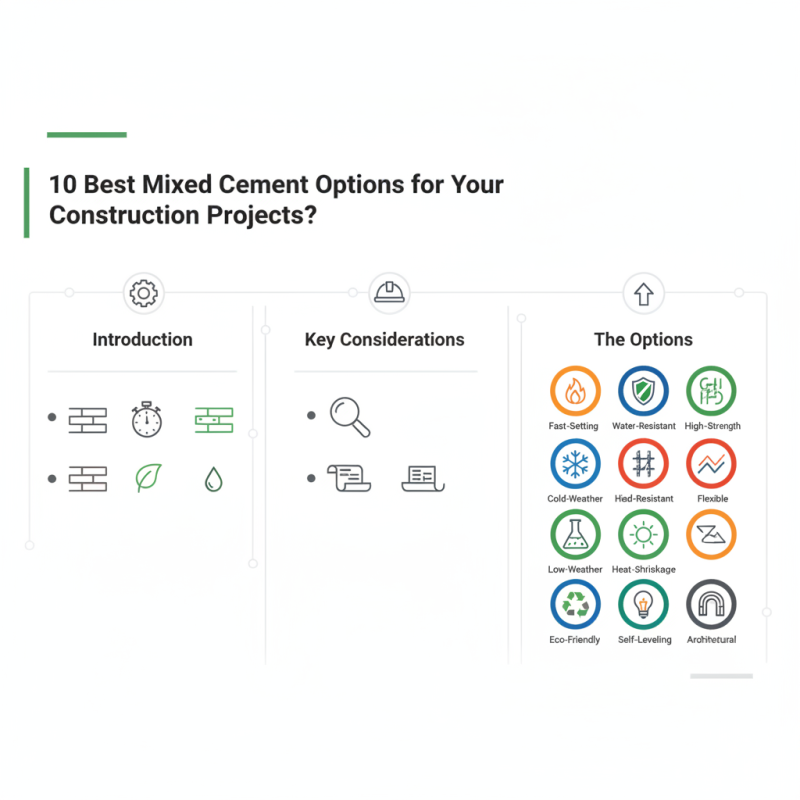
As we explore the ten best mixed cement options, remember to consider your project's unique requirements. Take time to evaluate the characteristics and benefits of each option. This journey is not just about finding the best product. It’s about making informed decisions that reflect on the overall success of your construction endeavors.
Overview of Mixed Cement Types for Construction Applications
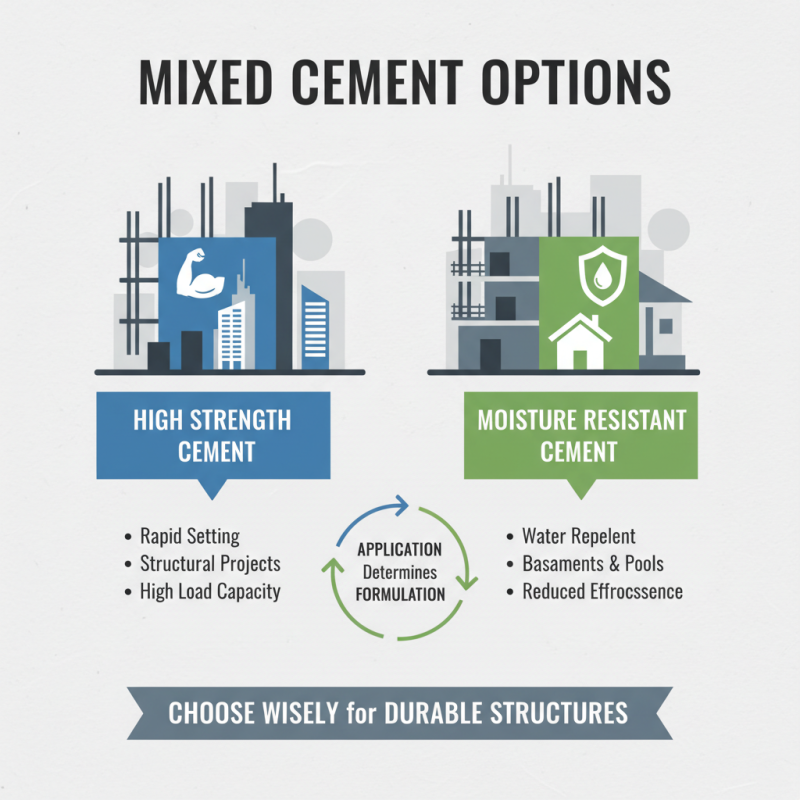
When considering mixed cement options, understanding the various types is essential. Different applications require different formulations. For instance, some projects need higher strength, while others prioritize moisture resistance. Knowing the right type can greatly affect the durability of your structure.
Common types include Portland cement, which is versatile for many uses, and blended cement, ideal for specific projects. Fly ash mixed with cement improves workability and reduces environmental impact. These options prove beneficial in various climates. For areas prone to water exposure, using water-resistant mixtures is crucial.
**Tip:** Always test a small batch before large-scale application. This helps identify any potential issues. Don’t rush this step; it can save money and time.
When selecting a mixed cement type, consider regional availability and local building codes. Each region may have different needs based on environmental factors. Don't overlook the importance of consulting with local experts. Their insights can guide better choices. Be prepared to adapt based on the material’s performance in practice.
Key Factors to Consider When Choosing Mixed Cement
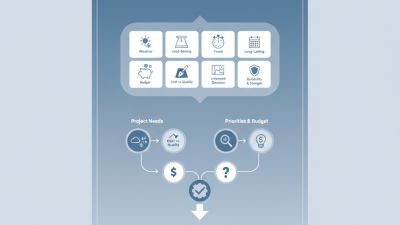
When selecting mixed cement, several factors come into play. The type of project you are undertaking greatly influences your choice. For structural integrity, consider strength requirements. Different projects demand different grades of cement. Some may require high compressive strength, while others can manage with lower grades. Be sure to match the cement type to the strength criterion.
The environmental conditions are also important. Humid areas may need water-resistant mixed cement. Conversely, extreme heat can affect curing times. Check local climate factors. Improper selection can lead to issues down the line. A project started with unsuitable cement can face serious consequences. Price is another aspect to ponder. Cheaper options may save money but might sacrifice quality. Sometimes, spending more upfront leads to better overall results.
Finally, think about the regularity of your projects. If you frequently undertake similar jobs, bulk buying mixed cement might be beneficial. It saves time and likely money. However, buying in bulk can lead to waste if not used quickly. Therefore, consider your actual needs carefully. A little reflection may guide smarter choices in your construction endeavors.
Top 10 Mixed Cement Products: Features and Benefits
When considering mixed cement for construction projects, many users look for specific features. One crucial aspect is versatility. Some mixed cements can be used for various applications. For instance, they can work for flooring, paving, or even decorative elements. This kind of adaptability makes them valuable in different settings.
Another important feature is curing time. Certain mixed cements cure faster than standard options. This can be a game-changer for tight deadlines. However, quick curing might lead to cracks if not monitored carefully. Users must balance speed and quality. Additionally, the resistance to weather conditions adds to their appeal. Building in regions with moisture, for example, requires cements that can withstand the elements.
Cost-effectiveness is also a significant benefit. Some mixed cements might save money in the long run. However, a cheaper option may not always provide the best performance. Users should consider the long-term impacts rather than just initial costs. The mixture’s strength is another factor that must be evaluated. Building a strong foundation often depends on choosing the right product. Ultimately, mixing all these aspects leads to thoughtful decision-making.
10 Best Mixed Cement Options for Your Construction Projects
| Cement Type |
Compression Strength (MPa) |
Workability |
Setting Time |
Uses |
| General Purpose Cement |
25-30 |
Moderate |
2-3 hours |
Building, Pavements |
| High-Strength Cement |
40-50 |
Low |
3-4 hours |
High-rise Buildings |
| Quick Setting Cement |
20-30 |
Good |
30 minutes |
Repair Works, Fast Construction |
| White Cement |
25-30 |
Excellent |
2-3 hours |
Architecture, Decorative Purposes |
| Fly Ash Cement |
20-35 |
Good |
2-4 hours |
Infrastructure Projects |
| Sulphate Resisting Cement |
30-40 |
Moderate |
2-3 hours |
Marine Construction |
| Oil Well Cement |
30-50 |
Low |
3-5 hours |
Oil and Gas Wells |
| Expanded Glass Cement |
15-25 |
Excellent |
2-3 hours |
Lightweight Structures |
| Portland Cement |
25-35 |
Good |
2-4 hours |
General Construction |
Comparative Analysis of Pricing for Mixed Cement Options
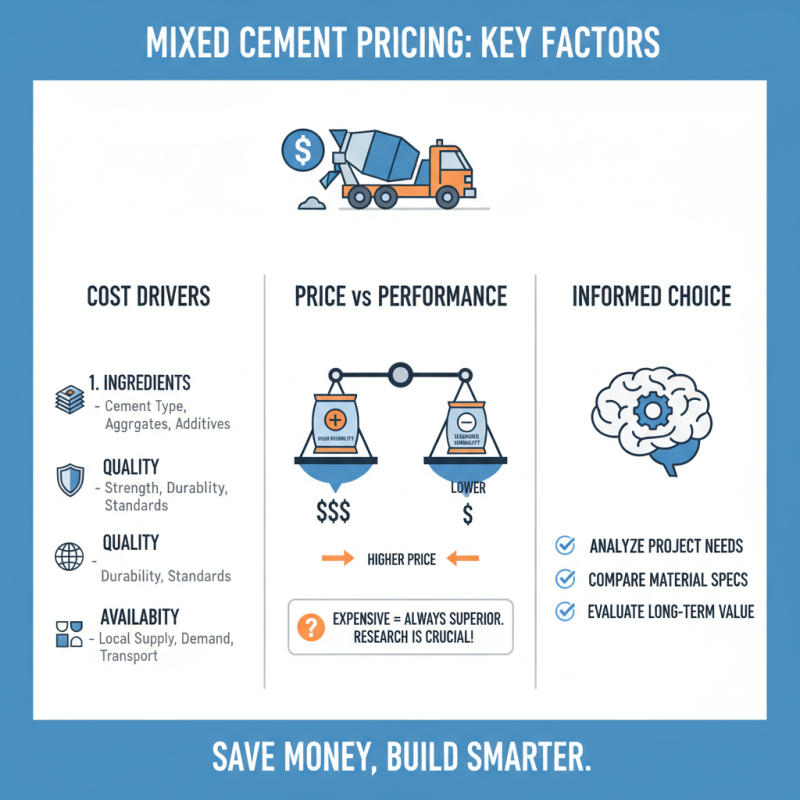
When selecting mixed cement for construction projects, pricing is a significant factor. The costs can vary widely based on ingredients, quality, and availability. It’s essential to analyze these aspects to make an informed choice. Some mixtures may promise better durability. However, they can carry a heavier price tag. Sometimes, an expensive option doesn't necessarily guarantee superior performance, which makes careful consideration vital.
Tips: Buy in bulk wherever possible. This can help reduce the per-unit cost of mixed cement. Look for local suppliers too. They may offer competitive pricing. Check for any seasonal discounts. Many companies reduce prices during off-peak construction seasons.
The market offers numerous options. Some contractors may choose cost-effective solutions without sacrificing quality. However, it's crucial to assess if cheaper options meet project standards. In some cases, the initial savings can lead to higher long-term costs. Evaluate the long-term performance of different mixtures before deciding. A lower price might seem appealing but think about durability and maintenance.
Best Practices for Using Mixed Cement in Construction Projects
Using mixed cement effectively in construction projects requires understanding and following best practices. The American Concrete Institute emphasizes that incorrect mixing can significantly weaken the overall structure. A mix ratio of 1:2:3 for cement, sand, and aggregates often achieves ideal performance. Yet, many still overlook the impact of water quality and temperature. Unchecked, these can compromise strength and durability.
Tips: Always test water before mixing. Use clean, uncontaminated sources to ensure optimal performance. Monitor temperature closely during mixing and curing processes. Extreme heat can lead to rapid evaporation and cracks.
Humidity also plays a vital role. High humidity could delay curing. This may extend the project's timeline. For example, result gaps can happen if the concrete isn't set properly. Keep an eye on weather forecasts to plan effectively. Remember, adjustments may be needed based on external conditions. It's essential to stay vigilant throughout the process.
10 Best Mixed Cement Options for Your Construction Projects
The following chart displays the compressive strength of different mixed cement options, measured in MPa (Megapascals). This data helps in selecting the right type of mixed cement for various construction projects.